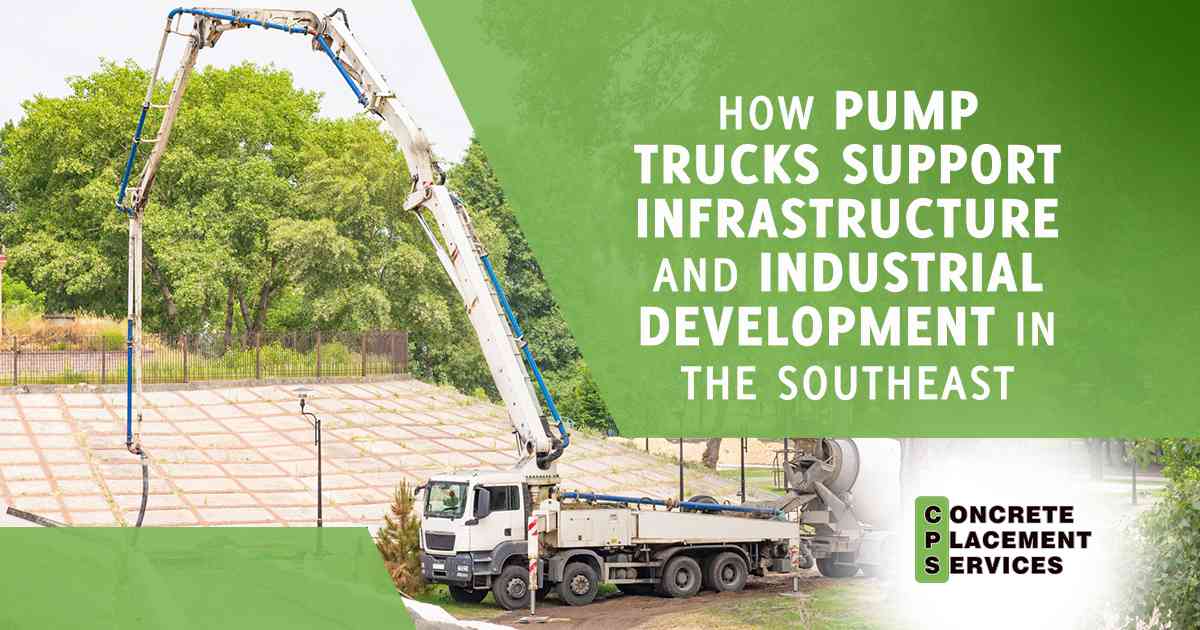
The Southeastern United States is experiencing rapid growth across transportation, industrial, and municipal sectors. As South Carolina, Georgia, and neighboring states expand their infrastructure networks and industrial facilities, reliable commercial concrete...
Blog
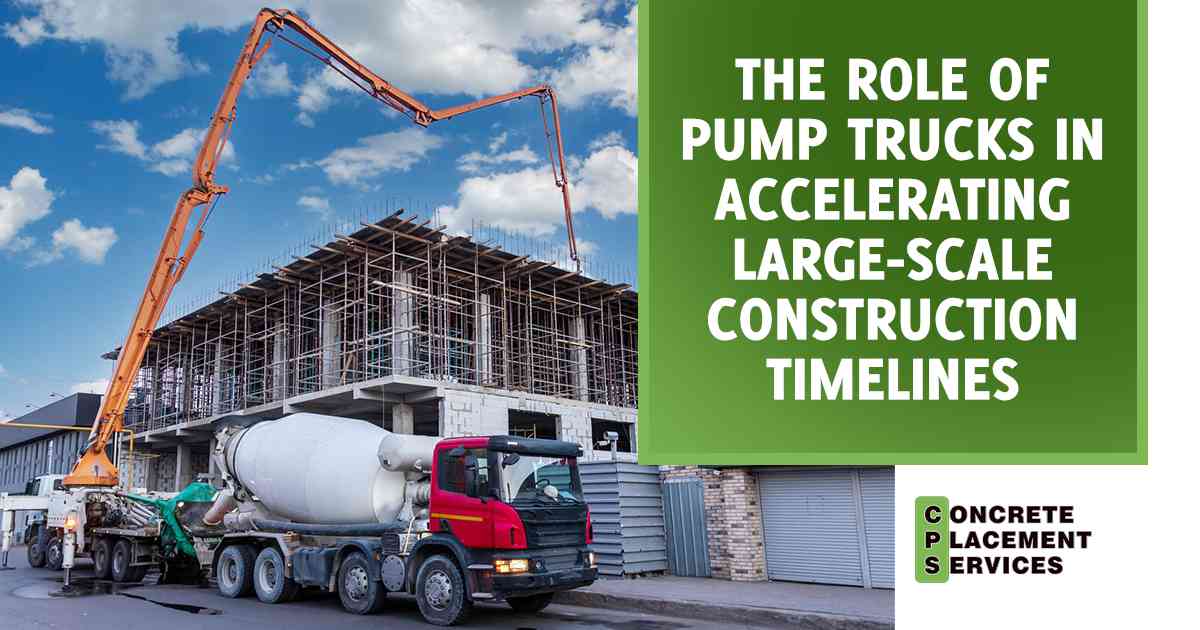
The Role of Pump Trucks in Accelerating Large-Scale Construction Timelines
Concrete placement is a critical factor in keeping commercial and industrial projects on schedule. Traditional methods of moving and placing concrete, such as wheelbarrows or cranes, can slow progress and create bottlenecks on the job site. Pump trucks provide a...
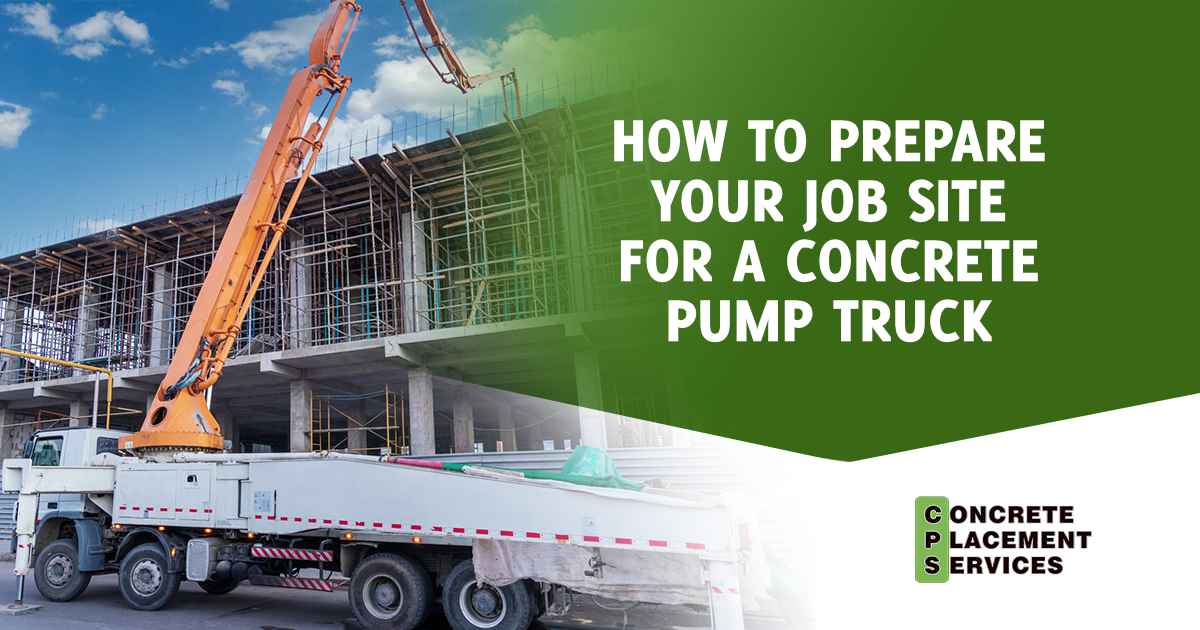
How to Prepare Your Job Site for a Concrete Pump Truck
Efficient concrete placement begins long before the pour itself. A concrete pump truck can significantly speed up a project, reach difficult locations, and reduce manual labor, but only if the job site is properly prepared. Contractors new to working with pump trucks,...
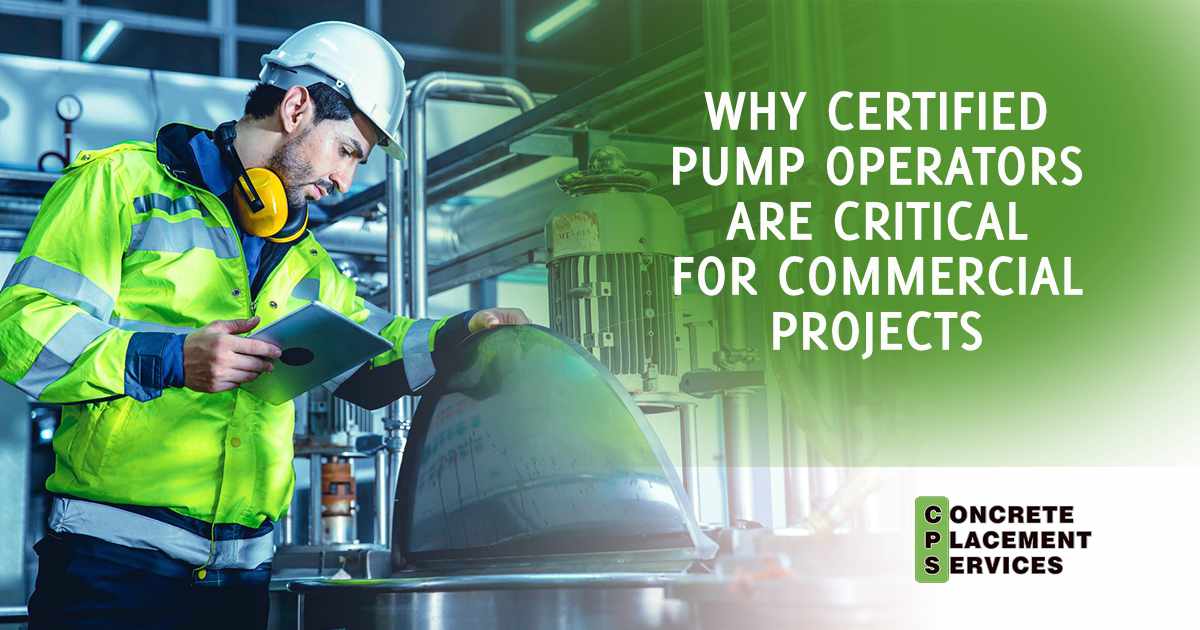
Why Certified Pump Operators Are Critical for Commercial Projects
Large-scale commercial and industrial construction projects demand precision, efficiency, and safety at every stage, particularly during concrete placement, one of the most time-sensitive and high-risk activities on the job site. Certified concrete pump operators...
What Contractors Should Know Before Scheduling a Concrete Pump
Contractors preparing for an upcoming concrete pour must understand the key requirements before scheduling a concrete pump. Proper planning ensures the operation is safe, efficient, and stays on schedule. Site access, equipment setup, timing with ready-mix deliveries,...
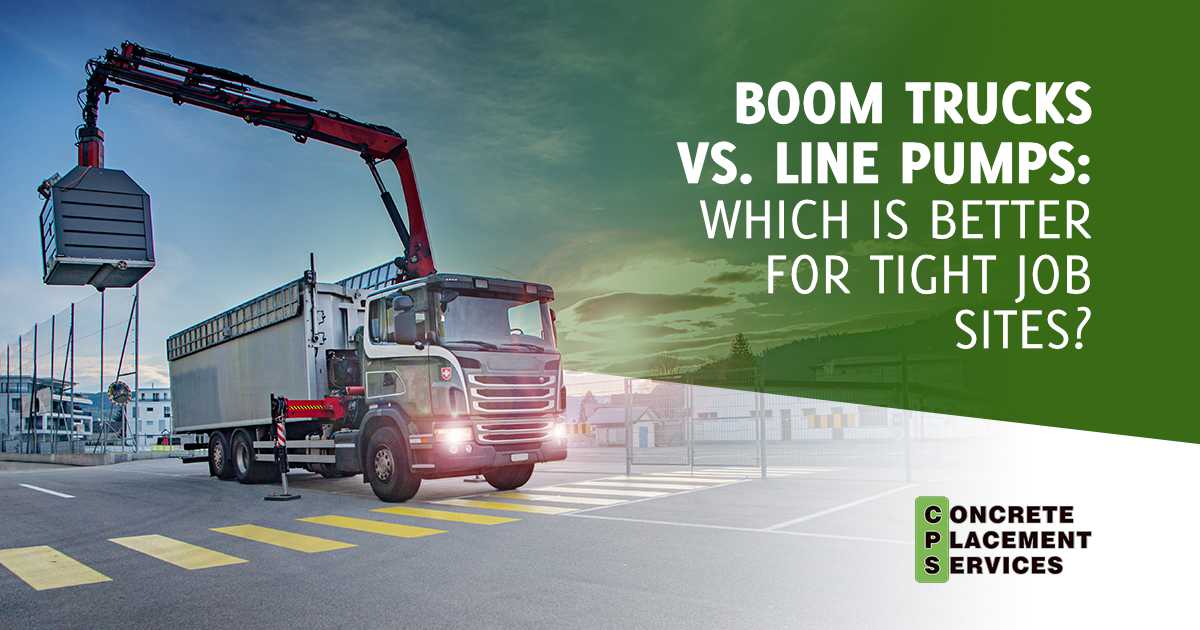
Boom Trucks vs. Line Pumps: Which Is Better for Tight Job Sites?
Boom trucks and line pumps are both essential tools for modern concrete placement, but they perform differently depending on the job site. On projects with restricted access, interior placements, or limited setup space, contractors often face challenges selecting the...