Boom trucks and line pumps are both essential tools for modern concrete placement, but they perform differently depending on the job site. On projects with restricted access, interior placements, or limited setup space, contractors often face challenges selecting the most efficient pumping method. This article provides a practical comparison of boom trucks vs. line pumps, focusing on tight job sites and common access limitations. The goal is to help commercial contractors, project managers, and site supervisors understand how each option functions in real project conditions—without recommending designs or choosing equipment for any specific pour. By reviewing operational considerations such as reach, flexibility, and site constraints, readers can better evaluate which equipment type aligns with their project needs.
Understanding Boom Trucks vs. Line Pumps for Commercial Concrete Projects
What Defines a Boom Truck?
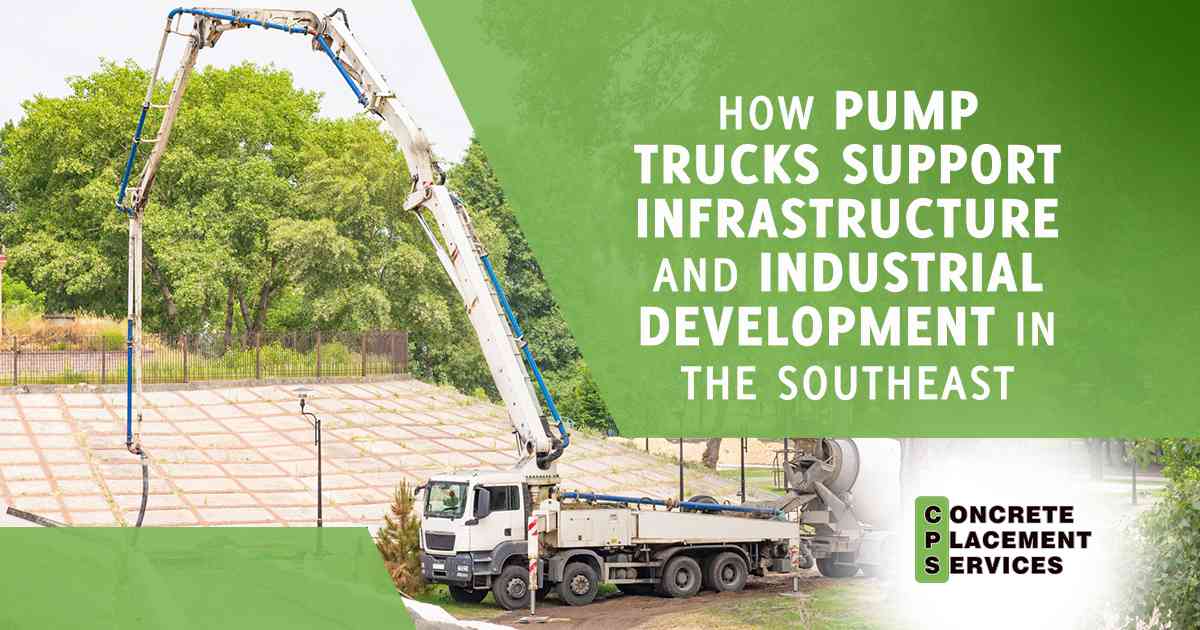
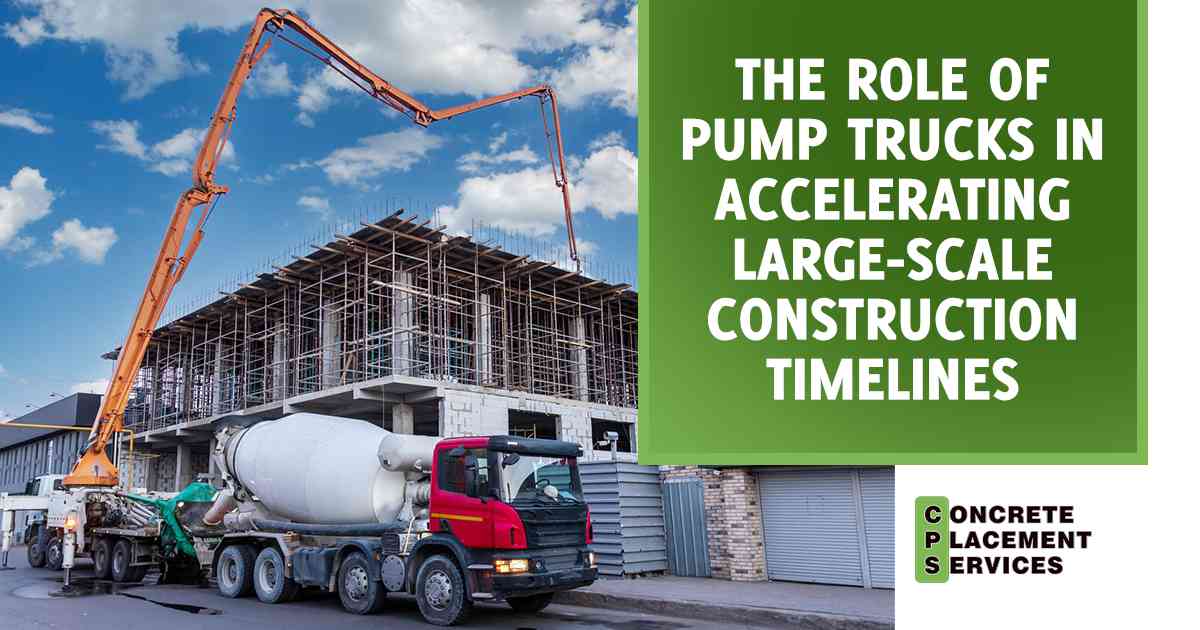
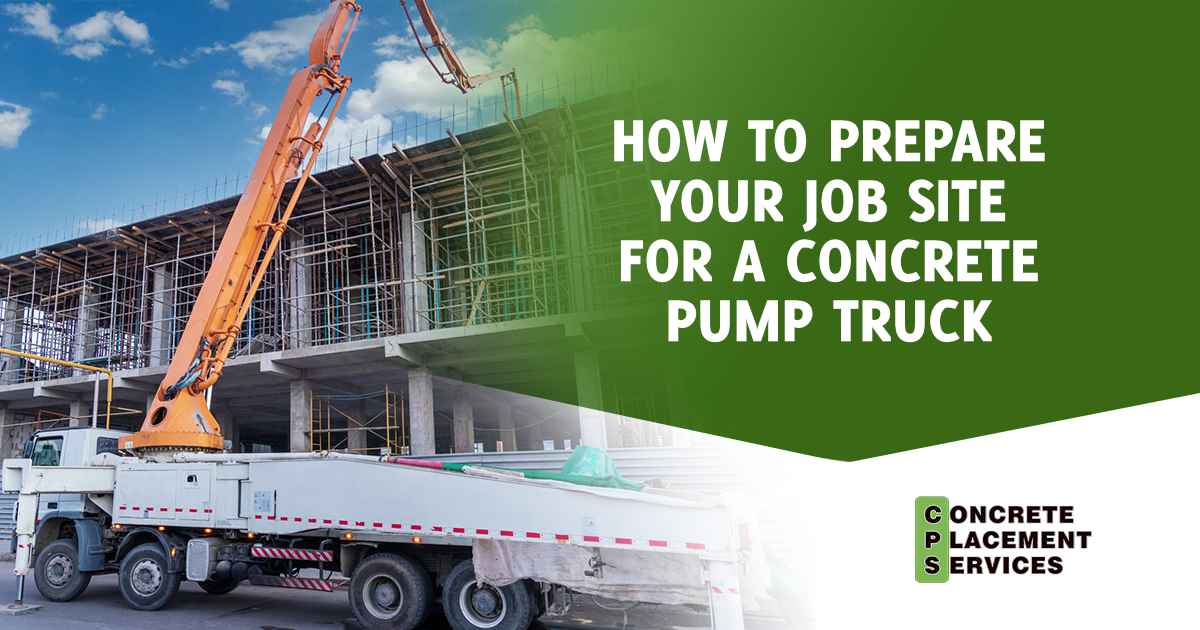
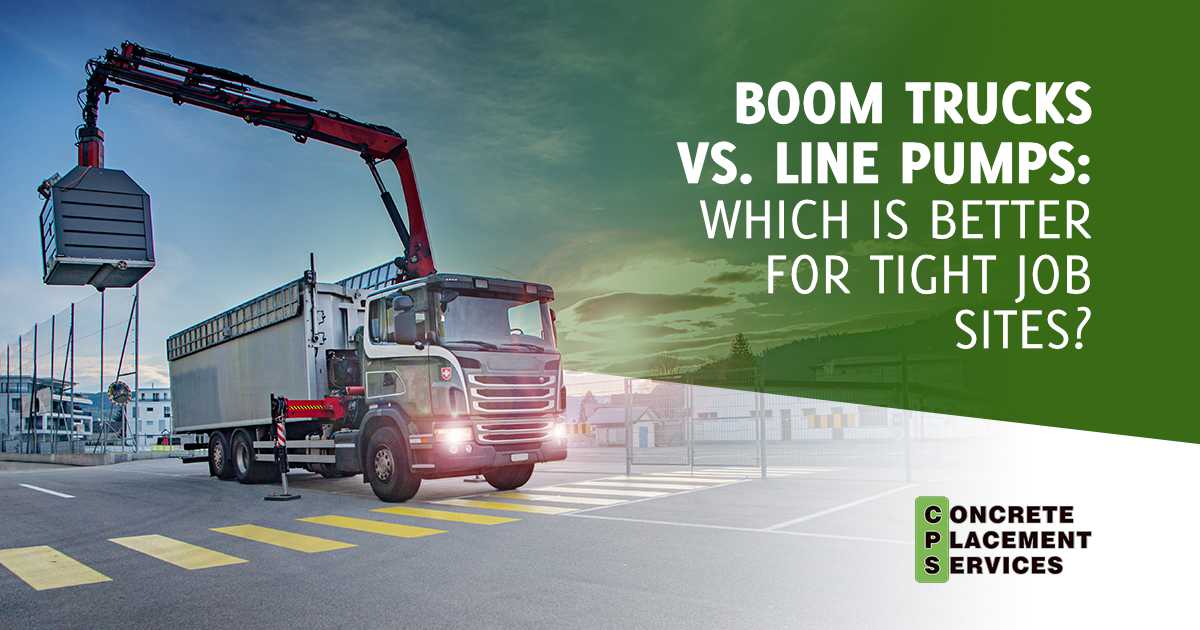
A boom truck uses a truck-mounted hydraulic arm to place concrete at height or distance. The boom provides extended vertical and horizontal reach, making it suitable for elevated placements, multi-story pours, and large commercial slabs. Boom trucks work best when the site offers enough space for setup, stabilization, and safe boom operation.
What Defines a Line Pump?
A line pump uses a series of connected hoses to move concrete from the truck to the placement area. Instead of relying on a boom arm, line pumps route hose sections across the ground or through structures. This makes line pumps ideal for tight job sites, interior pours, backyard placements, and locations where access is limited or restricted.
Key Functional Differences Between Boom Trucks and Line Pumps
Boom trucks provide height and long-distance reach, while line pumps offer routing flexibility and smaller setup requirements. Boom trucks require adequate space for outrigger deployment and safe boom movement. Line pumps require less room for staging and can navigate around obstacles, corners, or narrow passageways. These differences often determine which option is the better fit for projects with confined work areas or challenging site layouts.
Boom Trucks for Tight Job Sites: Strengths and Limitations
When Boom Trucks Excel: Reach, Height, and Large-Scale Pours
Boom trucks deliver significant advantages on projects that require vertical or long-distance reach. Their hydraulic boom allows crews to place concrete over obstacles, across wide areas, or onto elevated structures. For commercial projects with multi-story walls, high decks, or large open slabs, the reach of a boom truck improves workflow and placement speed. When the site provides adequate space for setup and safe operation, boom trucks remain one of the most efficient options for high-volume concrete delivery.
Access Constraints: Why Boom Trucks May Not Fit Confined or Urban Job Sites
Tight job sites often limit where a boom truck can be positioned. Urban streets, narrow access points, and closely built structures reduce the available area needed for outrigger deployment and boom rotation. Even when concrete placement requires extended reach, a boom truck may not be practical if the equipment cannot be safely staged. These conditions can restrict the ability to operate the boom at the correct angle or height, increasing project delays or forcing crews to consider alternatives such as line pumps.
Safety and Setup Space Requirements for Boom Trucks
Boom trucks require clear space for stabilizers, boom movement, and operator visibility. Uneven ground, restricted work zones, and nearby traffic or structures can limit the safe positioning of the equipment. Job sites with overhead obstructions—such as utility lines, framing, or low-clearance structures—create additional constraints that may prevent the boom from being used. These safety and setup requirements often make boom trucks less suitable for confined sites, leading contractors to rely on line pumps when space is limited.
Line Pumps for Tight Job Sites: Advantages and Practical Benefits
Why Line Pumps Are Better Suited for Restricted Access Locations
Line pumps provide flexibility that boom trucks cannot match on tight job sites. Because hoses can be routed through narrow paths, around structures, or across uneven ground, the equipment can operate effectively even when vehicle access is limited. Contractors often rely on line pumps in confined areas where a boom truck cannot set up safely or where the site does not offer enough space for outriggers and boom movement. This makes line pumps a practical option for projects with restricted access, interior placements, or complex site layouts.
Efficiency in Interior Pours, Rear-Lot Pours, and Residential Backyards
Line pumps perform well on projects that require concrete to be placed inside buildings, behind structures, or in locations that trucks cannot reach directly. Interior slabs, basement floors, residential backyard patios, and pool decks are common examples. Hoses can be extended over long distances or through doorways without the need for elevated reach. This allows crews to maintain consistent placement rates while working in controlled or enclosed environments.
Hose Routing Flexibility on Congested or Hard-to-Reach Sites
Line pumps provide routing options that reduce disruptions on active job sites. Hoses can be moved around obstacles such as steel framing, rebar, storage areas, or existing construction activity. This creates a predictable path for concrete placement without requiring large clearing zones. On congested commercial projects, the ability to route hoses around ongoing work helps minimize workflow interruptions and maintain safe movement across the site. This routing flexibility is one of the primary reasons line pumps outperform boom trucks in confined or complex environments.
Comparing Boom Trucks vs. Line Pumps for Access-Restricted Projects
Maneuverability: How Line Pumps Outperform on Confined Sites
When maneuverability is a primary concern, line pumps offer clear advantages. Their compact setup and flexible hose routing allow crews to work in areas where a boom truck cannot be positioned. Line pumps can operate from a distance and navigate around structures, narrow alleys, or interior spaces. In contrast, boom trucks depend on stable ground and sufficient clearance for the boom to move safely. These limitations often make boom trucks less adaptable on access-restricted job sites.
Reach vs. Flexibility: Balancing Boom Length with Hose Routing Needs
Boom trucks provide superior reach, making them useful for elevated placements and large spans. However, reach alone does not guarantee suitability for tight job sites. If the equipment cannot be staged in a safe and open location, the boom’s reach becomes less effective. Line pumps, while not offering elevated placement through a boom, allow crews to route hoses to nearly any accessible point on the job. This flexibility helps maintain consistent placement even when site layout restricts vehicle access.
Labor Considerations and Ground Conditions for Each Pump Type
Boom trucks require stable ground for outrigger deployment and enough space for safe operation. Poor soil conditions, uneven areas, or soft ground can limit their use. Line pumps typically need less setup space and can adapt more easily to varied ground conditions. While line pumps may require additional labor for hose handling and cleanup, this trade-off is often acceptable on confined sites where maneuverability and access flexibility are the priority. Choosing between equipment types depends on how each option aligns with site limitations and operational needs.
Typical Scenarios: Boom Trucks vs. Line Pumps in Real-World Job Sites
Urban Construction Sites with Limited Street Space
Urban projects often involve narrow streets, limited parking areas, and strict traffic controls. These conditions can restrict where boom trucks may be positioned. Outriggers require clearance, and boom operation must avoid overhead lines, structures, or pedestrian areas. In many urban settings, a line pump becomes the practical choice because hoses can be extended from a distance and routed through tight spaces without needing a large staging area.
Projects with Distance or Elevation Requirements Favoring Boom Trucks
Some projects require vertical or long horizontal reach that only a boom truck can provide. Multi-story placements, high decks, and elevated walls benefit from the ability to lift concrete directly to the pour location. On sites where access is open and setup space is sufficient, boom trucks offer faster placement and reduce the need for extensive hose routing. These conditions make boom trucks the preferred option when elevation and long-distance reach are the primary challenges.
Interior Slabs, Foundations, Pool Decks, and Tight Residential Spaces
Line pumps deliver clear advantages for interior placements and confined residential settings. Interior slabs, foundation pours, and basement floors typically require routing hoses through doorways, hallways, or narrow entry points. Residential pool decks and backyard patios often have limited vehicle access, making boom trucks difficult or unsafe to position. In these scenarios, line pumps provide safe and efficient placement while minimizing site disturbance and setup time.
Operational Considerations for Choosing Boom Trucks vs. Line Pumps
Safety, Stability, and Setup Requirements
Safety plays a major role when choosing between boom trucks and line pumps. Boom trucks require stable ground and enough space to deploy outriggers safely. Any overhead hazards—such as power lines, framing, or low-clearance structures—can limit boom movement or prevent operation altogether. Line pumps, by comparison, need less area for setup and allow crews to position hoses in controlled paths that avoid obstructions. On sites with significant safety constraints, line pumps often provide a safer operating environment.
Material Volume, Pour Rate, and Project Size Factors
Boom trucks typically deliver higher output and are well-suited for large-volume pours. When projects require steady, high-rate concrete placement across a wide area, boom trucks can complete the job more efficiently. Line pumps are effective for moderate to smaller pours where hose routing is the main priority. While line pumps may not match the peak output of a boom truck, they provide reliable performance on projects that prioritize access over volume.
Scheduling and Equipment Availability on High-Demand Projects
Contractors also consider scheduling and availability when selecting pumping equipment. Boom trucks may be in higher demand for large commercial pours, which can impact timing. Line pumps often provide more flexibility in scheduling due to faster setup and easier site accommodation. When a project involves multiple trades working in a restricted area, the compact nature of a line pump can help maintain workflow without causing delays or equipment conflicts.
How Line Pumps Help Keep Projects on Schedule in Tight Job Sites
Minimizing Delays Through Faster Setup in Confined Conditions
Line pumps require less staging space and can be positioned farther from the placement area, allowing crews to begin work quickly even when the site is congested. Their flexible setup reduces the time spent clearing obstacles or adjusting equipment. On tight job sites where every minute matters, this faster setup helps maintain schedules and minimizes delays caused by limited access.
Avoiding Access-Related Disruptions and Equipment Conflicts
Restricted sites often involve multiple trades working at the same time, which can limit movement and equipment placement. Boom trucks may require lane closures, traffic control, or large clearing zones that disrupt other activities. Line pumps avoid many of these complications because hoses can be routed through pathways that do not interfere with ongoing work. This helps maintain a steady workflow and reduces conflicts between crews.
Reducing Site Traffic and Improving Workflow Efficiency
Line pumps help reduce congestion by keeping large vehicles away from narrow or sensitive areas. Their hoses allow concrete placement to occur without bringing heavy equipment deep into the site. This not only improves safety but also allows other contractors to continue working without interruption. By minimizing site traffic and keeping access points open, line pumps support smoother operations and help projects stay on schedule.
When Commercial Contractors Prefer Switching from Boom Trucks to Line Pumps
Common Limitations That Lead Crews to Choose Line Pumps
Contractors often switch from boom trucks to line pumps when the site cannot support boom operation. Limited setup space, overhead obstructions, narrow access paths, and unstable ground conditions make it difficult to deploy outriggers or rotate the boom safely. In these situations, line pumps provide a practical alternative because they can operate from a distance and route hoses directly to the placement area.
Cost Considerations: Equipment, Labor, and Time on Site
While boom trucks deliver high-volume output, they may require more extensive site preparation or coordination, especially in confined areas. Line pumps can reduce total time on site by simplifying setup and minimizing disruptions. Although hose handling may require additional labor, the overall efficiency gained on tight job sites often offsets these costs. Contractors value line pumps for their ability to maintain consistent progress without the added expense of rearranging equipment or clearing large work zones.
Adapting to Job Site Restrictions Without Compromising Pour Quality
Line pumps allow crews to place concrete accurately even in challenging environments. Their ability to route hoses around corners, through doorways, or into enclosed spaces helps maintain placement quality without requiring major site modifications. Contractors choose line pumps when they need a reliable solution that adapts to job site restrictions while meeting project specifications and safety requirements.
Objective Guidelines for Evaluating Boom Trucks vs. Line Pumps
Identifying Access Limitations Without Giving Design Advice
Contractors evaluate equipment options by reviewing basic access limitations on the job site. This includes checking available staging space, identifying overhead obstructions, and confirming whether the ground can support heavy equipment. These observations help determine whether a boom truck can operate safely or whether a line pump may be more practical. This process does not involve design or engineering decisions—it is a standard assessment of site conditions before equipment arrives.
Understanding Typical Reach, Hose Distance, and Placement Requirements
Boom trucks offer extended vertical and horizontal reach, which makes them effective for elevated placements or large spans. Line pumps rely on hose distance rather than boom position, allowing crews to route concrete to hard-to-reach areas. Contractors consider these operational factors when choosing equipment, ensuring the selected option can meet the pour distance and positioning needed for the project. This evaluation is based on standard performance ranges and does not involve modifying any structural plans.
Matching Equipment to Project Conditions in a Non-Design Role
Equipment selection is based on how each pump type performs under normal conditions. If the site has limited access, narrow pathways, or interior placements, a line pump may align better with the project environment. If the pour requires height, wide reach, or high-volume output, a boom truck may be the more efficient option. Contractors match equipment to site conditions while staying within their operational role—not advising on design choices or altering project specifications.
Request a Quote for Line Pump Services
Contact Concrete Placement Services at 843-247-1489 to learn more about professional line pump services for tight job sites. Our team can provide information on hose routing, equipment capabilities, and operational support to help keep your project on schedule. Request a quote today to explore how line pumps can improve efficiency, safety, and access on confined or challenging job sites.