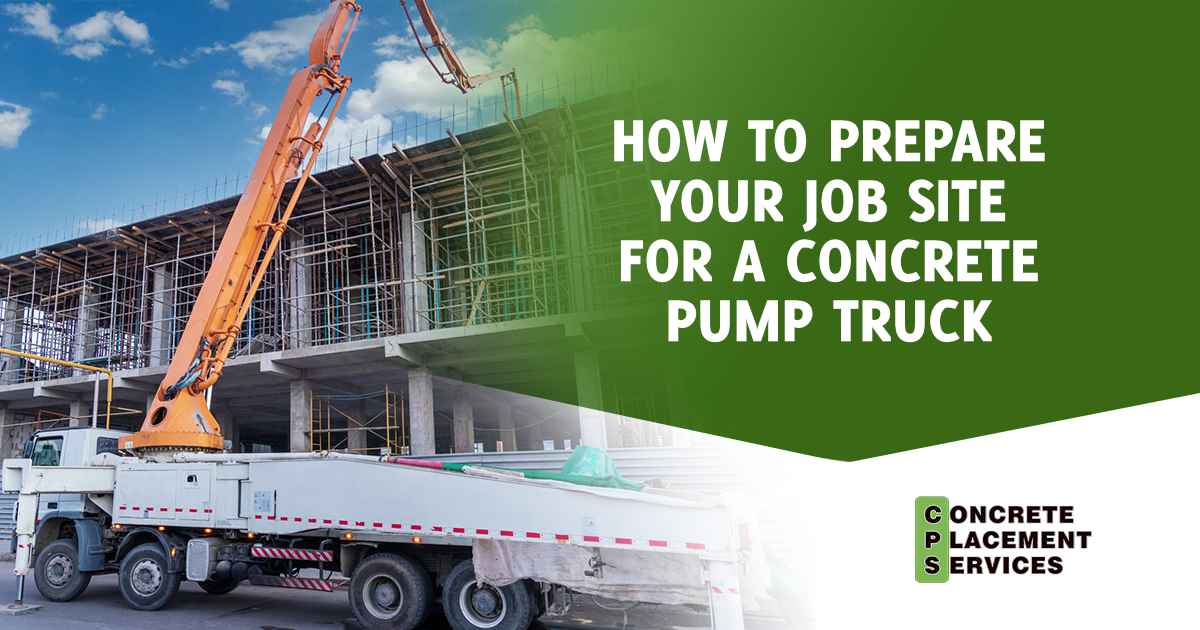
Efficient concrete placement begins long before the pour itself. A concrete pump truck can significantly speed up a project, reach difficult locations, and reduce manual labor, but only if the job site is properly prepared. Contractors new to working with pump trucks, or those seeking a refresher, need to understand the key elements that ensure safe and efficient operations. Site preparation focuses on providing clear access, stable ground, sufficient overhead clearance, and effective coordination with the pumping provider and ready-mix deliveries. For contractors looking for professional guidance, concrete pumping services offer expert support to optimize pump truck operations. Proper planning minimizes downtime, avoids equipment damage, and supports smooth workflow throughout the concrete placement process.
Clear Access Paths for Concrete Pump Trucks
Concrete pump trucks are large, heavy vehicles that require unobstructed access to operate safely. Without sufficient space to maneuver, a pump truck cannot position its boom accurately, which can lead to delays, accidents, or inefficient concrete placement. Preparing clear access paths should be a priority for contractors before the truck arrives.
Establish Unobstructed Entry Routes
Before the pour, contractors should ensure that all pathways leading to the site are free from obstacles. This includes:
- Removing construction debris, stored materials, and temporary fencing.
- Relocating parked vehicles that could block the truck’s path.
- Ensuring gates and entry points are wide enough for the truck to pass without difficulty.
Having unobstructed entry routes allows the pump truck driver to move safely onto the site and reduces the risk of collisions or equipment damage.
Maintain Sufficient Turning Radius
Concrete pump trucks require a large turning radius to position the boom effectively. Contractors should:
- Check for tight corners or narrow areas that could restrict movement.
- Provide temporary clear zones if the existing layout limits vehicle maneuvering.
- Coordinate with other on-site vehicles to prevent congestion during setup.
Allowing enough space for turning ensures that the pump truck can reach all required pour locations efficiently, maintaining a smooth workflow.
Coordinate On-Site Traffic Flow
In addition to physical access, planning site traffic is crucial for safe pump truck operations. Site managers should:
- Establish designated routes for the pump truck and support vehicles.
- Assign personnel to guide vehicles if needed.
- Avoid scheduling other heavy equipment in the same areas during pump setup.
Effective traffic coordination minimizes delays, prevents accidents, and keeps the project on schedule.
Ensuring Adequate Ground Stability for Concrete Pump Trucks
Ground stability is a critical factor for safe and effective pump truck operations. The weight of a fully loaded concrete pump truck, combined with the dynamic movement of its boom, can pose significant risks if the surface is soft or uneven. Contractors must evaluate soil conditions, prepare staging areas, and monitor environmental factors to prevent accidents and equipment damage.
Evaluate Soil and Site Conditions
Before positioning the pump truck, contractors should assess the site’s soil and ground conditions. Key considerations include:
- Identifying soft, muddy, or recently graded areas that may not support the truck’s weight.
- Reinforcing weak areas with compacted gravel, mats, or temporary platforms.
- Ensuring that the load-bearing capacity is sufficient for both the truck and supporting equipment.
A stable base prevents the truck from tipping or sinking, protecting both personnel and the pumping equipment.
Prepare Pump Truck Staging Areas
Designating and preparing a staging area ensures that the pump truck operates on level ground. Contractors should:
- Mark the intended truck location clearly to avoid confusion during setup.
- Verify that the staging area is large enough to accommodate boom extension and maneuvering.
- Remove nearby obstacles that could interfere with operations or limit access to the pour site.
Having a dedicated, level staging area allows the pump truck to function at full capacity, improving placement efficiency.
Monitor Environmental Conditions
Weather and recent site activities can affect ground stability. Contractors should:
- Check for recent rainfall that may soften soil and require additional reinforcement.
- Adjust positioning plans if grading or excavation work has left uneven surfaces.
- Schedule pours during favorable conditions when possible to reduce the risk of delays.
Monitoring environmental conditions ensures the concrete pump truck can operate safely, maintaining continuous workflow throughout the pour.
Checking Overhead Clearance for Concrete Pump Truck Operations
Overhead clearance is essential for safe boom operation and efficient concrete placement. Pump trucks require a significant vertical space to extend their booms, and any obstruction can hinder operations or create safety hazards. Contractors must identify potential obstructions, coordinate with relevant authorities, and communicate clearance zones with the crew.
Identify Potential Obstructions
Before the pour, contractors should inspect the site for overhead obstacles that may interfere with the pump truck, including:
- Power lines, tree branches, and scaffolding.
- Adjacent buildings or temporary structures near the pour area.
- Any equipment or material stored vertically along the truck’s path.
Identifying these obstructions early allows the team to plan boom placement and prevent costly interruptions.
Coordinate with Local Authorities
If overhead utilities or municipal structures are near the site, it may be necessary to coordinate with local authorities. This step ensures:
- Compliance with safety regulations and utility company requirements.
- Proper permits or adjustments to the site layout if necessary.
- Reduction of potential risks associated with live power lines or other hazards.
Early communication helps prevent delays and ensures that the pump truck can operate without interruption.
Mark Clearance Zones
Clearly marking areas with limited vertical space helps maintain safety on busy construction sites. Contractors should:
- Use cones, flags, or signage to indicate low-clearance zones.
- Inform all crew members and subcontractors about these restrictions.
- Establish safe pathways for the boom to avoid accidental contact with obstacles.
Marking clearance zones reduces the risk of damage to equipment and surrounding structures while keeping personnel safe.
Pre-Pour Communication with the Concrete Pumping Provider
Effective communication with the concrete pumping provider is essential to ensure smooth operations and prevent delays. Contractors should provide detailed information about the site, safety considerations, and equipment requirements before the truck arrives.
Share Site Layout and Access Details
Providing the pumping provider with an accurate site layout improves planning and efficiency. Contractors should:
- Supply a site map or photographs highlighting access paths, staging areas, and pour locations.
- Inform the provider about any obstacles or restricted areas that may affect truck positioning.
- Ensure the provider understands the optimal boom placement for each pour.
This proactive communication allows the pump truck crew to arrive prepared, reducing setup time and avoiding last-minute adjustments.
Review Safety Protocols
Discussing safety measures ahead of time helps protect personnel and equipment. Contractors should:
- Outline pedestrian zones and restricted areas near the pump truck.
- Review emergency procedures and contact points for on-site incidents.
- Confirm compliance with OSHA regulations and industry safety standards.
Pre-pour safety discussions minimize risks and promote a professional, well-organized workflow.
Confirm Equipment Requirements
Not all projects are compatible with standard pump truck setups. Contractors should:
- Verify that the correct truck model and boom size will be available.
- Discuss any specialized accessories or extensions needed for the pour.
- Ensure that additional support equipment, such as stabilizers or mats, is provided if required.
Confirming these requirements in advance prevents equipment-related delays and ensures the concrete placement process runs efficiently.
Coordinating Timing with Ready-Mix Delivery
Proper scheduling of ready-mix concrete deliveries is crucial to maximize the efficiency of the pump truck. Continuous concrete flow prevents blockages, maintains pour quality, and minimizes downtime.
Align Delivery and Pump Schedules
Contractors should coordinate the arrival of ready-mix trucks with the pump truck schedule. Key steps include:
- Confirming delivery windows with the supplier to match the planned pour sequence.
- Communicating with the pump operator to ensure simultaneous readiness.
- Adjusting for any delays or site constraints that may impact timing.
This coordination ensures that the pump truck can operate at full capacity without interruption.
Plan for Multiple Pour Locations
Large projects may require concrete at multiple points across the site. Contractors should:
- Sequence pours logically to minimize boom repositioning.
- Communicate multiple pour locations to both the ready-mix supplier and pumping crew.
- Ensure that additional trucks or pump extensions are scheduled if needed.
Planning for multiple locations reduces wait times and increases overall project efficiency.
Account for Traffic and Site Conditions
External factors, such as local traffic or weather conditions, can affect delivery timing. Contractors should:
- Monitor potential delays from public roads or nearby construction activity.
- Build flexibility into the schedule to accommodate unforeseen changes.
- Communicate adjustments promptly to both the pumping provider and supplier.
By anticipating challenges, contractors can keep the pump truck and ready-mix workflow consistent and reliable.
Schedule Your Concrete Pumping Service Today
Proper preparation ensures that a concrete pump truck can operate safely, efficiently, and without delays, and contractors seeking professional support for concrete placement can contact Concrete Placement Services to discuss project requirements or schedule service by calling 843-717-2382 or by filling out the contact form here, so that a well-prepared job site, clear communication with the pumping provider, and coordinated scheduling with ready-mix deliveries keep the concrete pump truck performing optimally, ensuring projects stay on time and on budget.