
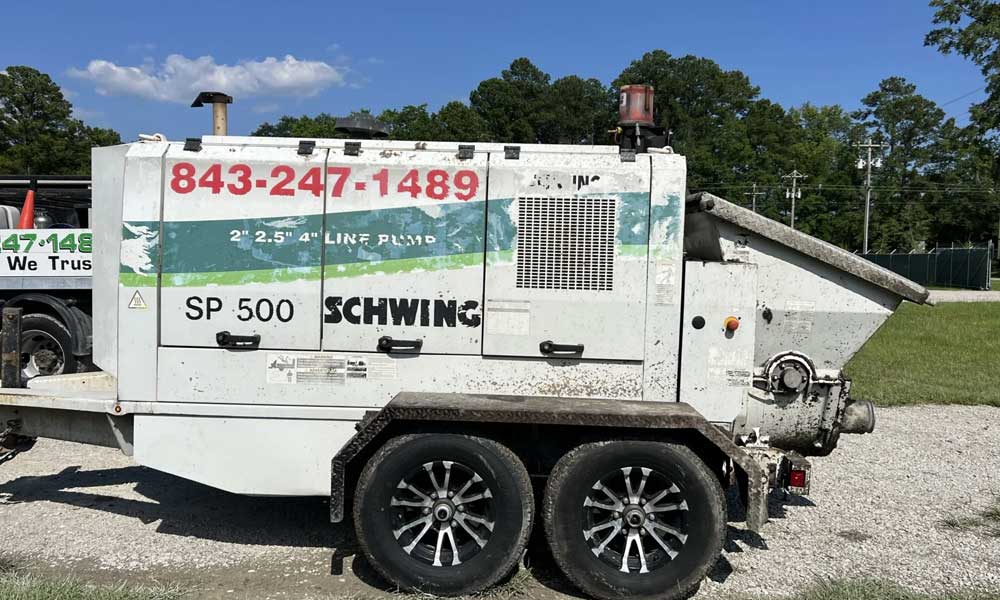
Image of a truck used for concrete work, featuring Concrete Replacement Services and highlighting the SP-500 Line Pump for efficient concrete placement.

Concrete Placement Services provides concrete pump truck rental for residential and commercial properties requiring flexible pumping solutions. Our concrete contractors perform concrete pump truck rental by deploying fully maintained pump trucks with trained operators for projects ranging from small residential pours to large commercial applications. Each concrete pump truck rental includes pre job equipment inspection, on site operator assistance, and compliance with jobsite safety requirements to ensure proper concrete placement. When your project requires precise concrete delivery to elevated locations, distant pour sites, or areas with restricted access, pump truck hire delivers the reach and efficiency needed to complete pours without manual labor bottlenecks. Quality concrete pump hire eliminates common placement delays caused by wheelbarrow transport or crane bucket limitations, reducing labor costs while maintaining consistent pour schedules. Choosing professional pump truck rental means your project benefits from specialized equipment calibrated for optimal pressure and flow rates, preventing segregation issues that compromise concrete strength and long term structural integrity. 

What Concrete Pump Truck Rental Includes

  • Hourly Concrete Pump Truck Rental
  • Daily Pump Truck Hire
  • Boom Pump Equipment Rental with Operator
  • Line Pump Trailer Rental with Operator
  • Rental Equipment Delivery and Setup
  • On-Site Operator Assistance During Pour
  • Equipment Removal and Site Cleanup
  • Emergency Rental Availability
  • Pump Truck Rental for Remote Locations

Concrete Pump Truck Rental Process

01
02
03
04
05

Project Assessment and Equipment Selection:

Concrete contractors evaluate your project specifications including pour volume, site access constraints, vertical reach requirements, and horizontal distance to determine appropriate pump truck size and type. This assessment identifies whether boom pump or line pump equipment best suits your concrete placement needs, factoring in obstacles like overhead power lines or narrow access points that affect equipment positioning.

Rental Agreement and Scheduling:

Rental terms are established including hourly or daily rates, minimum rental duration, delivery radius coverage, and operator inclusion details. Concrete contractors confirm equipment availability for your scheduled pour date, coordinate delivery timing with ready-mix arrival, and document jobsite address and specific placement requirements to ensure the correct pump specifications arrive ready for immediate deployment.

Equipment Delivery and Jobsite Setup:

The rental pump truck arrives at your jobsite with a trained operator who positions equipment for optimal concrete placement while maintaining safe clearances from structures and utilities. Concrete contractors stabilize the pump using outriggers on level ground, verify hose or boom reach to all pour locations, and conduct pre-operation safety checks of hydraulic systems and concrete delivery lines before beginning the pour sequence.

Concrete Pumping Operation:

The operator manages pump controls throughout the pour, adjusting pressure and flow rates to match concrete slump and placement requirements while preventing line blockages or material segregation. Concrete contractors coordinate with ready-mix drivers and finishing crews to maintain continuous concrete flow, reposition hoses or boom as needed to reach different pour areas, and monitor equipment performance to prevent delays caused by mechanical issues during active placement operations.

Equipment Cleanup and Removal:

After completing concrete placement, concrete contractors flush pump lines with water or sponge balls to remove residual concrete before it hardens inside delivery systems. The operator retracts boom sections or coils hoses, secures all equipment components for transport, and removes the rental pump truck from your jobsite, leaving the area clear for finishing work and site cleanup activities.

Understanding Concrete Pump Truck Rental

Concrete pump truck rental provides contractors and property owners access to specialized placement equipment without the capital investment required for pump ownership. Projects requiring efficient concrete delivery to elevated floors, distant formwork, or congested jobsites benefit from rental pumps that eliminate manual placement methods. Understanding rental options, equipment specifications, and operational requirements helps you select appropriate pumping solutions that match project scope while controlling placement costs. The concrete pump hire process involves equipment selection based on pour volume and site conditions, operator coordination during active pumping, and proper equipment handling to prevent placement delays that affect concrete curing quality.

Equipment Types Available for Concrete Pump Truck Rental

Concrete pump truck rental inventory typically includes boom pumps mounted on truck chassis and trailer-mounted line pumps suited to different project requirements. Boom pumps feature articulating arms extending 28 to 65 meters, delivering concrete through rigid pipeline sections controlled from the truck operator station. These rental units handle large commercial pours where multiple pour locations require rapid repositioning without moving ground hoses. Line pumps use flexible hoses extending from trailer-mounted pumps, offering portability for residential projects and jobsites with restricted boom access caused by overhead obstructions or narrow pathways. Rental rates for concrete pump hire vary based on equipment size, with larger boom pumps commanding higher hourly fees due to increased reach capacity and output volume. Most concrete pump truck rental agreements include trained operators who manage equipment controls, coordinate with ready-mix delivery, and adjust pumping parameters to prevent line blockages. When evaluating rental options, your project specifications determine whether boom or line pump equipment provides optimal placement efficiency for your specific concrete delivery requirements and jobsite constraints.

Rental Duration and Cost Factors for Pump Truck Hire

Concrete pump truck rental pricing structures typically offer hourly rates for short pours or daily rates for extended projects requiring sustained pumping operations. Minimum rental periods commonly range from four to eight hours, covering equipment delivery, setup time, active pumping, and cleanup procedures regardless of actual concrete placement duration. Hourly concrete pump hire rates reflect equipment size, with 28-meter boom pumps starting lower than 47-meter or larger units that provide extended reach for high-rise applications. Daily rental arrangements become cost-effective when pours exceed six hours or when multiple concrete loads arrive throughout the workday requiring pump availability between deliveries. Additional cost factors include delivery distance from the rental equipment yard, with charges increasing for jobsites beyond standard service radius coverage. Weekend and holiday rental rates often carry premium pricing due to limited operator availability and increased demand from contractors scheduling pours outside standard weekday operations. Standby time charges apply when pump trucks remain on jobsite waiting for concrete delivery or formwork adjustments, emphasizing the importance of coordinating ready-mix arrival with rental equipment deployment. Understanding these cost structures helps you budget accurately for concrete pump truck rental as part of total project placement expenses while avoiding unexpected fees from extended rental duration.

Operator Inclusion and Equipment Operation Requirements

Most concrete pump truck rental agreements include trained operators who manage equipment throughout the pour, eliminating the need for contractors to provide certified pump technicians. Included operators handle pump controls, monitor pressure and flow rates, coordinate concrete delivery from ready-mix trucks, and adjust equipment positioning to reach all pour locations efficiently. This operator inclusion prevents placement errors caused by improper pump operation, such as excessive pressure that damages formwork or insufficient flow rates that allow concrete to begin setting in delivery lines. Some rental providers offer self-operated pump truck hire at reduced rates for contractors with certified pump operators on staff, though this option requires proof of operator training and equipment handling experience. Self-operated rentals transfer responsibility for equipment damage, line blockages, and jobsite safety compliance to the renting contractor, increasing liability exposure compared to operator-included arrangements. The concrete pump hire operator coordinates with finishing crews to control concrete flow during placement, preventing overpouring that wastes material or creates cleanup issues. Operators also manage pump shutdown procedures including line flushing that removes residual concrete before it hardens inside delivery systems, protecting rental equipment from damage that triggers additional charges. When scheduling concrete pump truck rental, confirm whether operator services are included in quoted rates and verify the operator's experience level with your specific pump type and project requirements to ensure smooth placement operations.

Jobsite Preparation for Rental Pump Truck Deployment

Successful concrete pump truck rental requires adequate jobsite preparation to accommodate equipment positioning, stabilization, and concrete delivery operations. Boom pump trucks need level ground with sufficient load-bearing capacity to support outrigger pressure, typically requiring compacted soil or reinforced paving that prevents equipment settling during pumping operations. Site access routes must accommodate truck dimensions including height clearance under power lines and width clearance through gates or between structures, with minimum 12-foot access width for standard boom pump chassis. Overhead obstructions like utility lines, tree branches, or building overhangs limit boom positioning options, requiring advance coordination to identify clear vertical zones for boom deployment. Line pump rentals require hose routing paths from trailer position to pour locations, with contractors providing labor to maneuver flexible hoses through doorways, around obstacles, and up stairs or scaffolding as needed. Ready-mix truck access to pump hopper must allow concrete discharge without repositioning between loads, minimizing delays that cause material to begin setting during extended delivery cycles. Jobsite electrical power may be required for boom pump systems that use electric over hydraulic controls, though most rental units operate from truck-mounted diesel engines that provide independent power throughout the pour. Concrete contractors coordinate pump truck positioning with formwork layout, ensuring hose or boom reach covers all pour areas without mid-job equipment relocation that interrupts concrete placement. Proper jobsite preparation prevents equipment access problems that delay pours and increase concrete pump hire costs through extended rental duration caused by placement inefficiencies.

Maintenance Standards and Equipment Condition for Pump Truck Rental

Professional concrete pump truck rental providers maintain equipment to manufacturer specifications, conducting regular inspections of hydraulic systems, boom articulation mechanisms, and concrete delivery pipelines. Rental pumps receive preventive maintenance including hydraulic fluid changes, wear ring replacements, and pipeline gasket inspections that prevent mid-job equipment failures during active concrete placement. Clean delivery lines without residual hardened concrete ensure consistent flow rates and prevent blockages that interrupt pumping operations and damage rental equipment. Boom pumps undergo annual certifications verifying structural integrity of articulating arm sections, hydraulic cylinder function, and outrigger stability systems that prevent equipment tipping during extended reach operations. Trailer-mounted line pumps receive inspections of towing connections, hydraulic pump components, and flexible hose conditions to identify wear that could cause hose ruptures or pressure loss during placement. Rental agreements typically include clauses requiring renters to report equipment malfunctions immediately and cease operations if performance issues develop, preventing continued use that worsens mechanical problems. Contractors receiving concrete pump hire equipment should inspect units upon delivery, documenting any existing damage or wear and verifying all safety systems function properly before beginning concrete placement. Equipment returned with damage beyond normal wear including cracked pipelines, damaged boom sections, or hydraulic leaks may trigger additional charges for repairs, emphasizing the importance of proper handling throughout the rental period. Quality rental providers deliver well-maintained pump trucks that operate reliably throughout your pour, minimizing placement delays and ensuring your concrete reaches forms at proper slump and temperature for optimal finishing and curing outcomes.

Concrete Pump Truck Rental FAQs

What Does Concrete Pump Truck Rental Include?

Concrete pump truck rental typically includes equipment delivery, a trained operator who manages pump controls throughout your pour, and equipment removal after placement completion. Most rentals provide hose or boom reach up to specified distances, with additional hose sections available for extended placement requirements. Rental agreements cover equipment insurance and maintenance, though contractors remain responsible for jobsite access preparation and coordination with ready-mix delivery schedules.

How Do Minimum Rental Hours Affect Concrete Pump Hire Costs?

Minimum rental periods typically range from four to eight hours regardless of actual pumping duration, covering equipment transportation, setup, active placement, and cleanup procedures. Projects requiring only two hours of active pumping still incur minimum rental charges that account for operator time and equipment deployment costs. Daily rental rates become more economical for pours exceeding six hours or when concrete arrives in multiple loads throughout the workday requiring sustained pump availability. For professional concrete pump truck rental, contact Concrete Placement Services today.

What Jobsite Conditions Prevent Pump Truck Rental Deployment?

Soft ground that cannot support outrigger loads, overhead power lines restricting boom clearance, and access routes narrower than equipment width prevent successful pump truck positioning. Boom pumps require minimum 12-foot access width and vertical clearance matching boom height in transport position, while line pumps need clear hose routing paths to all pour locations. Contractors must confirm site access capabilities match rental equipment dimensions before scheduling delivery to avoid deployment failures that still trigger minimum rental charges. For professional concrete pump truck rental, contact Concrete Placement Services today.

How Does Concrete Slump Affect Pump Truck Rental Performance?

Soft ground that cannot support outrigger loads, overhead power lines restricting boom clearance, and access routes narrower than equipment width prevent successful pump truck positioning. Boom pumps require minimum 12-foot access width and vertical clearance matching boom height in transport position, while line pumps need clear hose routing paths to all pour locations. Contractors must confirm site access capabilities match rental equipment dimensions before scheduling delivery to avoid deployment failures that still trigger minimum rental charges. For professional concrete pump truck rental, contact Concrete Placement Services today.

Reserve rental pump equipment for your upcoming pour with delivery coordination that matches your ready mix schedule and jobsite access requirements.