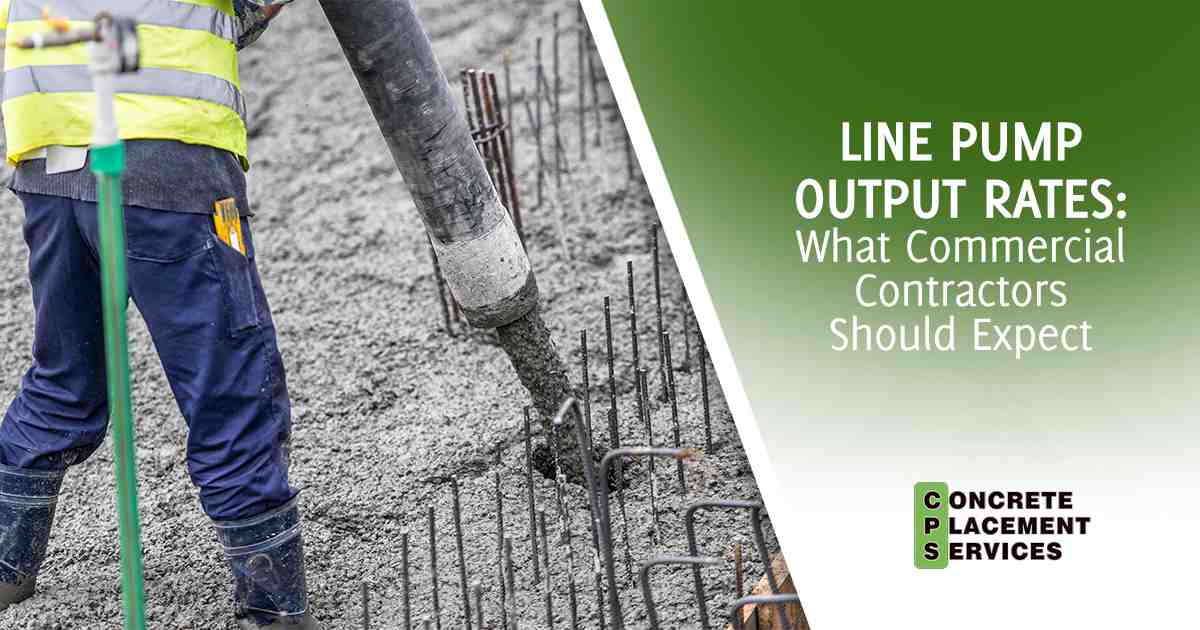
Commercial concrete projects depend on accurate planning, reliable scheduling, and efficient material placement. One of the most important factors in that planning process is understanding the expected line pump output rate. Knowing how much concrete can realistically...
Blog
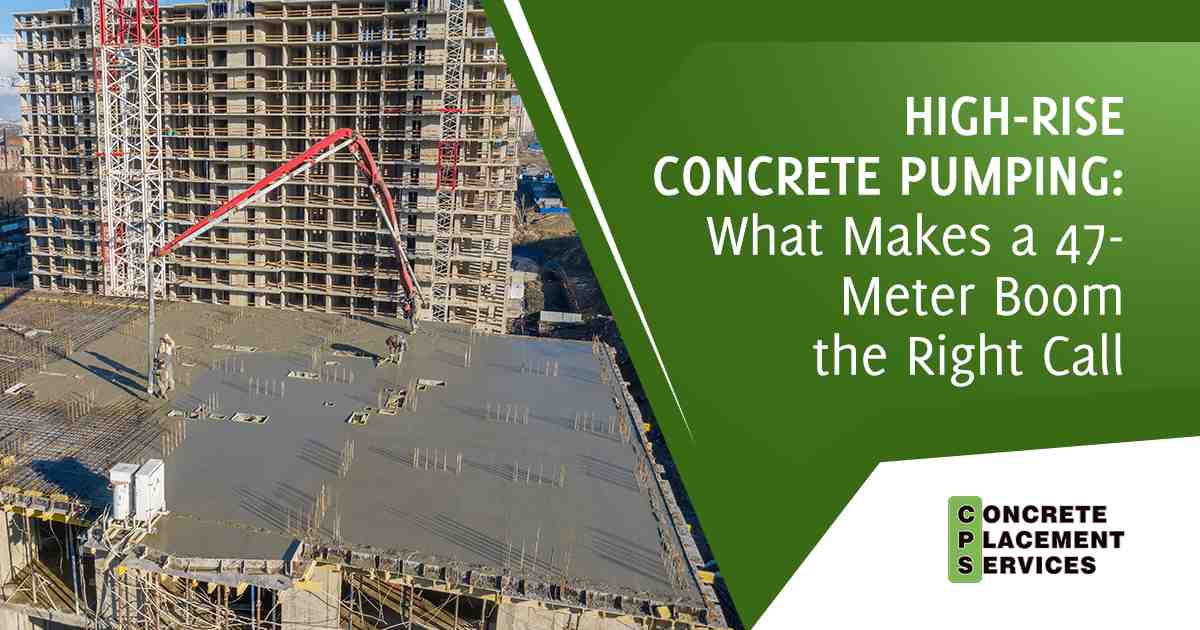
High-Rise Concrete Pumping: What Makes a 47-Meter Boom the Right Call
High-rise construction projects require a reliable method for moving concrete to elevated work areas. As buildings increase in height, placing concrete efficiently becomes more challenging. Contractors must consider reach, job site access, safety requirements, and...
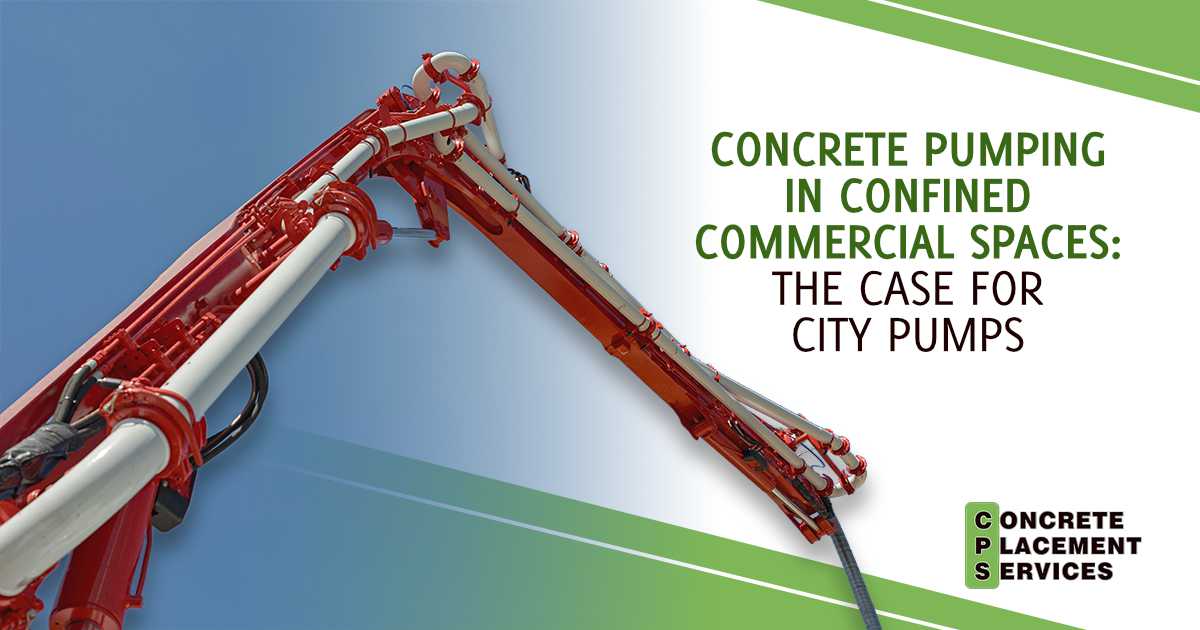
Concrete Pumping in Confined Commercial Spaces: Why City Pump Concrete Solutions Make the Difference
Urban construction continues to reshape cities as commercial developments, industrial renovations, and mixed-use projects maximize limited space. While these projects create opportunities for growth, they also present logistical challenges that make concrete placement...
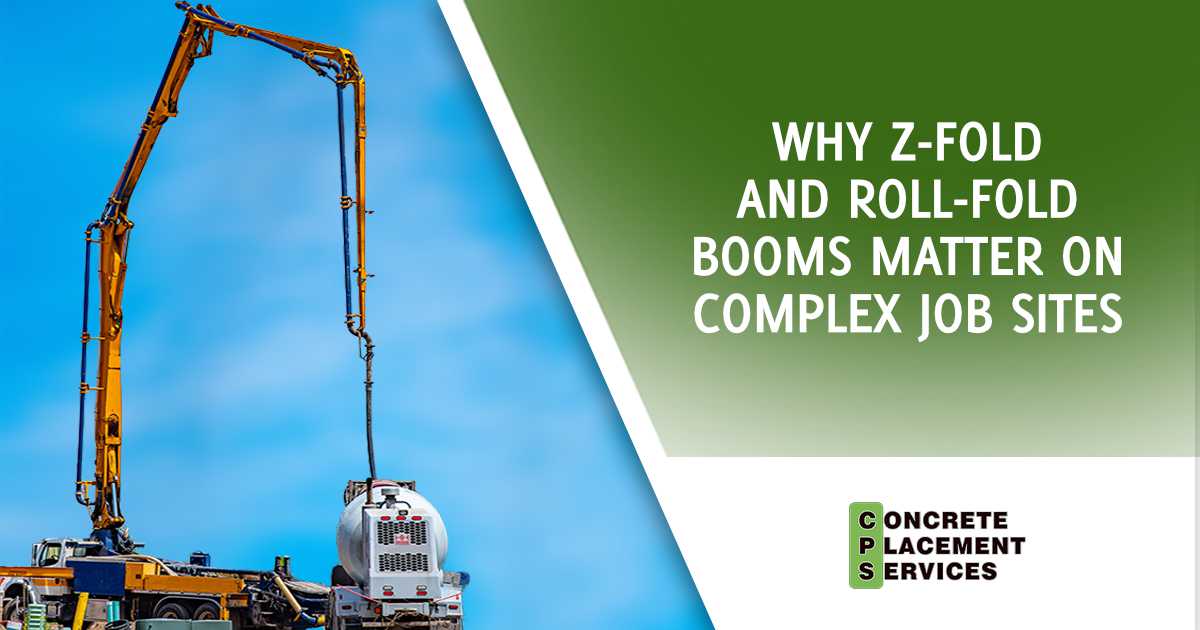
Why Z-Fold and Roll-Fold Booms Matter on Complex Job Sites
Commercial concrete construction projects often present challenges that extend beyond the concrete mix or pour schedule. Tight staging areas, overhead obstacles, neighboring structures, and restricted site access can all influence whether a project proceeds...
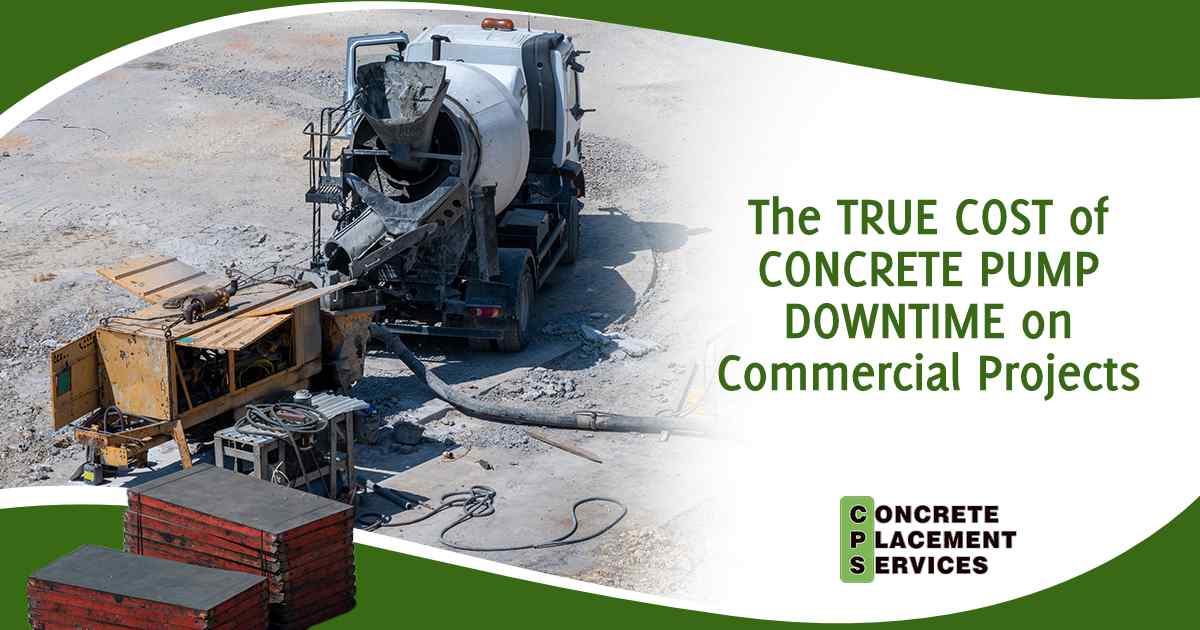
The True Cost of Concrete Pump Downtime on Commercial Projects
Commercial construction projects rely on carefully coordinated schedules, specialized equipment, and multiple crews working together to meet deadlines. When a concrete pump unexpectedly goes out of service, the resulting disruption can extend far beyond the concrete...
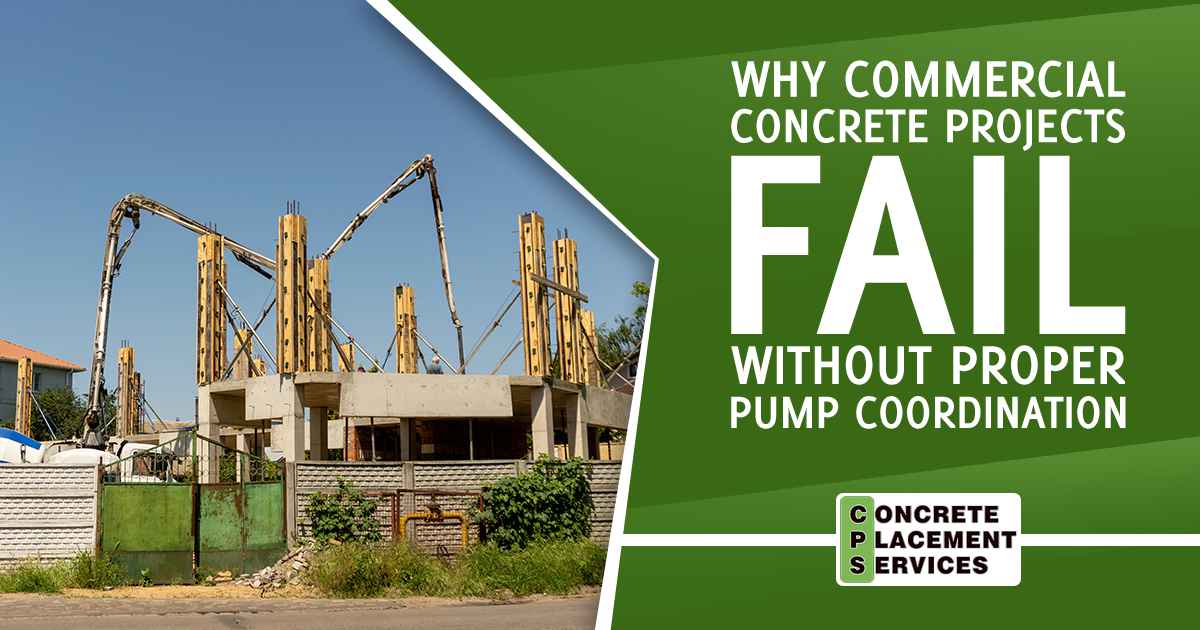
Why Commercial Concrete Projects Fail Without Proper Pump Coordination
Commercial concrete projects rely on far more than equipment availability to achieve successful results. While concrete pumps play a critical role in moving material efficiently across a jobsite, poor coordination surrounding the pumping operation can create costly...
Line Pump vs Boom Truck: When a Line Pump Outperforms a Boom Truck (And Vice Versa)
Choosing the right concrete pumping equipment can have a significant impact on project efficiency, labor requirements, and overall placement quality. Contractors, builders, and project managers often compare a line pump vs boom truck when planning a concrete placement...
How Boom Truck Reach Affects Concrete Placement on Large Commercial Pours
Large commercial concrete pours require careful planning to maintain productivity, accuracy, and project schedules. One of the most important factors in commercial concrete placement is selecting the appropriate boom truck reach for the job. The reach of a concrete...
How Pump Trucks Support Infrastructure and Industrial Development in the Southeast
The Southeastern United States is experiencing rapid growth across transportation, industrial, and municipal sectors. As South Carolina, Georgia, and neighboring states expand their infrastructure networks and industrial facilities, reliable commercial concrete...
The Role of Pump Trucks in Accelerating Large-Scale Construction Timelines
Concrete placement is a critical factor in keeping commercial and industrial projects on schedule. Traditional methods of moving and placing concrete, such as wheelbarrows or cranes, can slow progress and create bottlenecks on the job site. Pump trucks provide a...