Selecting the right partner for commercial concrete pumping in South Carolina can significantly influence the success of a construction project. General contractors, developers, and construction managers rely on experienced subcontractors who can help maintain schedules, support safe operations, and contribute to efficient concrete placement from start to finish. Understanding what separates a dependable commercial concrete pumping partner from an average provider allows project teams to make informed decisions that reduce risk and improve project outcomes.
Why Choosing the Right Commercial Concrete Pumping Partner in South Carolina Matters
Commercial construction projects depend on precise coordination between multiple trades, making every subcontractor an important contributor to the overall schedule. A qualified concrete pumping company helps ensure concrete is placed accurately, efficiently, and according to project specifications while minimizing delays that could affect other phases of construction. Selecting the right partner early in the planning process creates a stronger foundation for successful project execution.
Concrete pumping is often required for projects with difficult access, elevated placements, or large-volume pours where traditional placement methods are impractical. Whether constructing warehouses, schools, manufacturing facilities, or commercial developments, contractors benefit from working with a company that understands the demands of complex commercial job sites. Reliable pumping services help maintain productivity while supporting quality workmanship throughout every stage of the project.
Choosing an inexperienced contractor can create costly setbacks that extend beyond the concrete placement itself. Equipment failures, communication issues, or inadequate planning may result in scheduling conflicts, additional labor costs, or unnecessary project delays. Evaluating potential subcontractors carefully before awarding a project helps reduce these risks and contributes to a more efficient construction process.
Evaluate the Fleet Before Hiring a Commercial Concrete Pumping Company
Fleet Size and Equipment Capabilities
One of the first considerations when hiring a concrete pump company is whether its equipment fleet can accommodate the specific requirements of the project. Commercial construction often involves varying building heights, site layouts, and concrete placement challenges that require different pumping solutions. A company with a diverse fleet is better equipped to match the right equipment to each application.
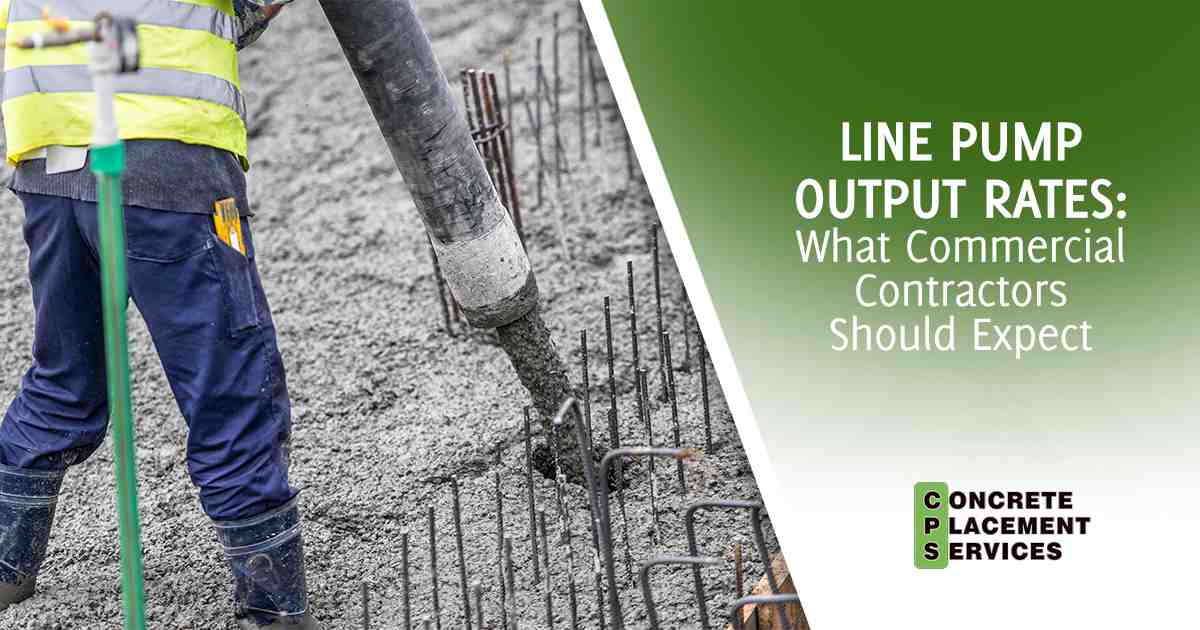
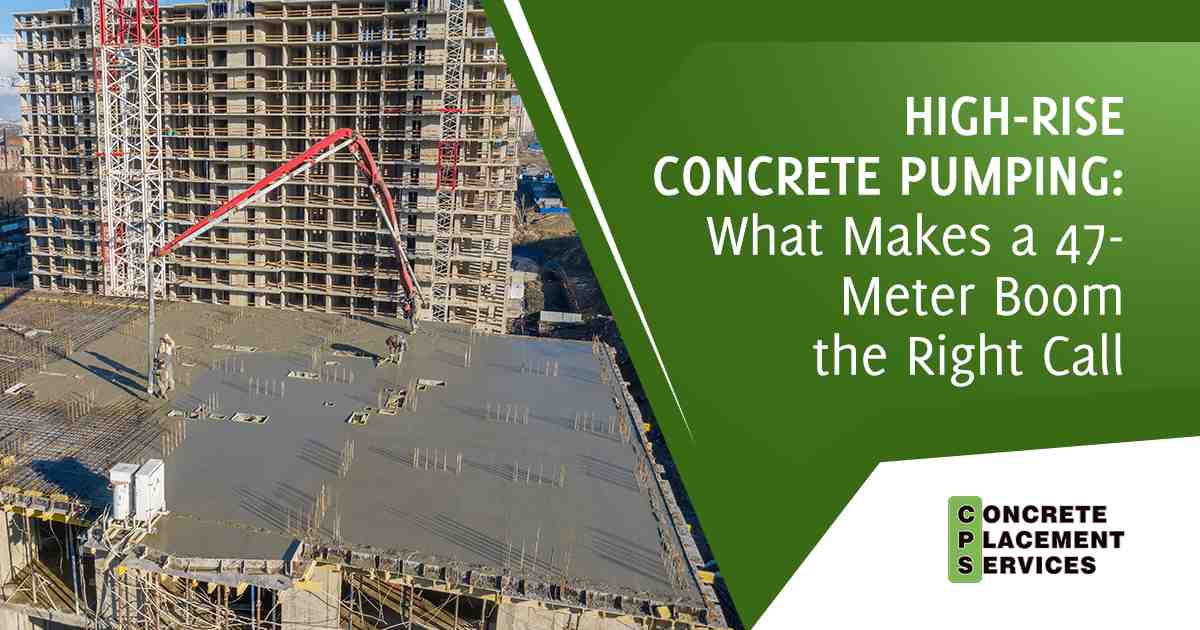
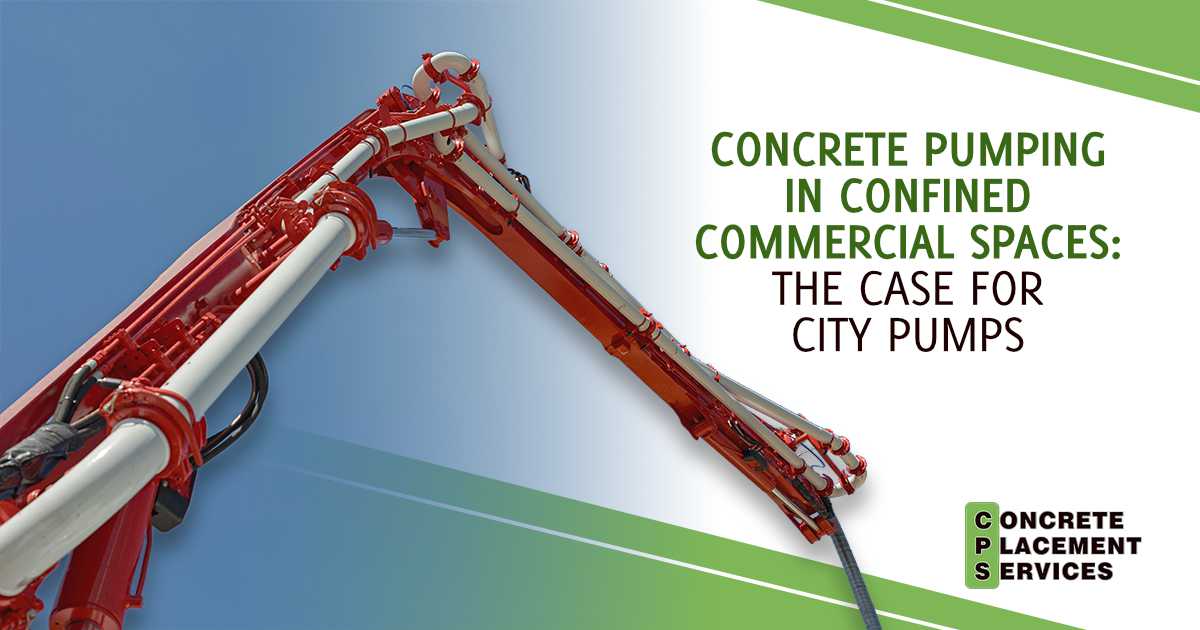
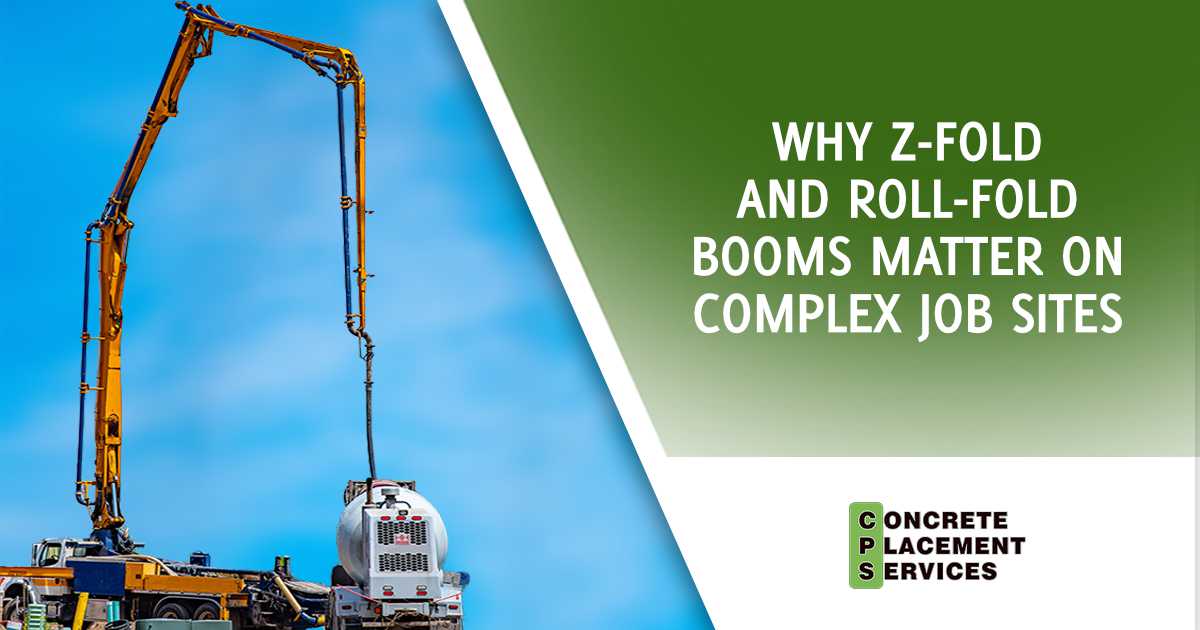
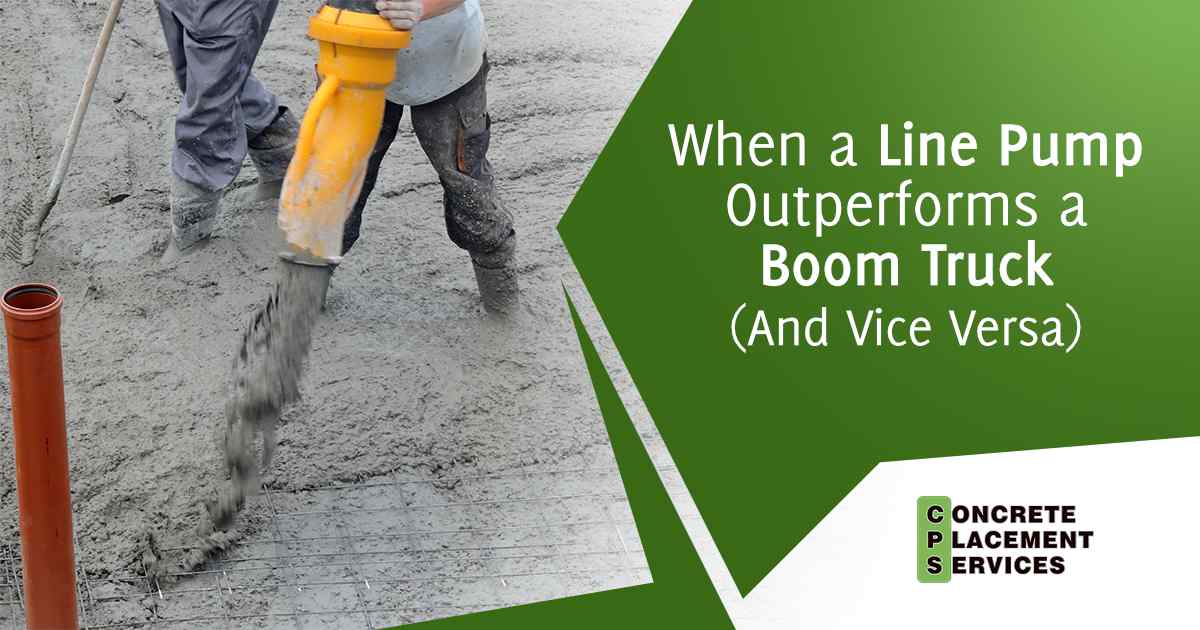
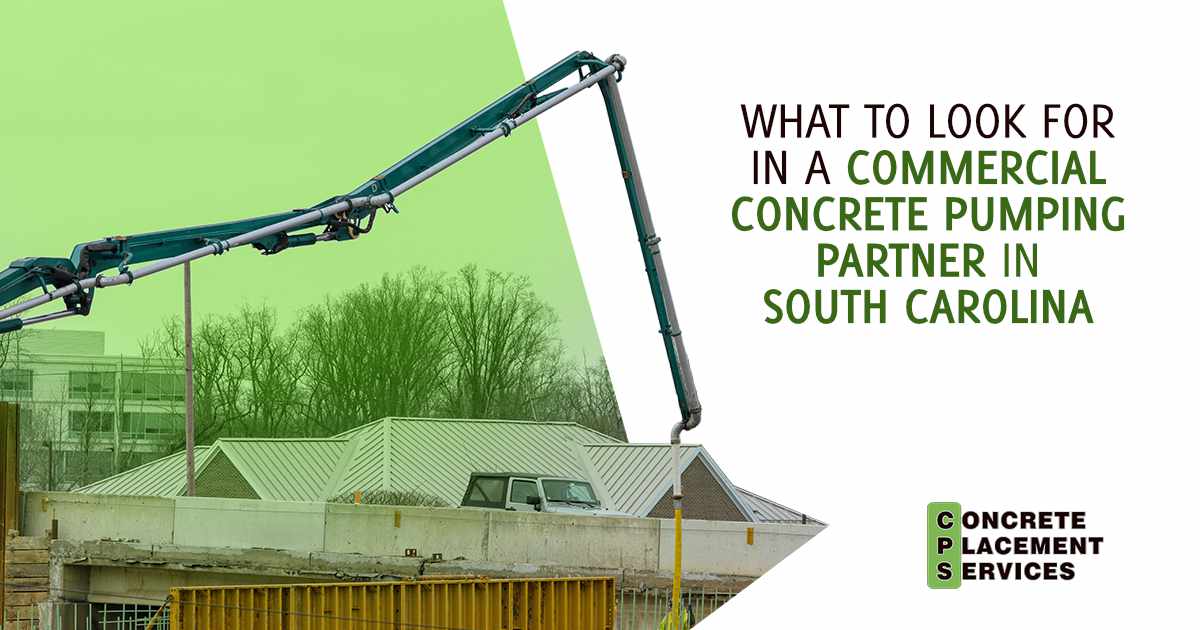
Boom pumps provide extended reach for elevated pours and large commercial projects where efficiency is essential. Line pumps offer flexibility for locations with limited access or specialized placement requirements that cannot be reached by larger equipment. Evaluating available equipment options helps contractors determine whether a concrete pump contractor can support both current and future project needs.
Pump capacity and equipment performance also influence productivity throughout the placement process. Modern, properly maintained equipment typically delivers more consistent operation and reduces interruptions that may affect scheduling. Contractors should verify that a prospective pumping partner has the resources necessary to complete projects efficiently without compromising quality.
Equipment Maintenance Standards
A dependable fleet requires more than modern equipment because routine maintenance plays a significant role in operational reliability. Preventive maintenance programs help identify wear before it leads to unexpected breakdowns that can interrupt concrete placement. Companies that invest in regular inspections demonstrate a commitment to dependable project performance.
Backup equipment availability is another important consideration for commercial construction projects with strict schedules. Unexpected mechanical issues can occur even with well-maintained machinery, making contingency planning an important part of reliable service. Contractors benefit from partnering with companies that have the resources to minimize downtime when unforeseen circumstances arise.
Well-maintained equipment also contributes to jobsite safety and operational efficiency. Reliable machinery reduces the likelihood of equipment-related interruptions while supporting consistent concrete placement throughout the project. These operational standards often distinguish experienced commercial subcontractors from less established providers.
Review Concrete Pumping Company Qualifications and Certifications
Operator Training and Certifications
Equipment alone does not determine project success because experienced operators play an equally important role. Professional concrete pump operators understand equipment operation, site conditions, placement techniques, and communication protocols that contribute to safe and efficient project execution. Ongoing training helps operators remain current with industry best practices and evolving safety standards.
Experienced operators can also identify potential challenges before concrete placement begins. Their understanding of setup requirements, pump positioning, and site logistics allows them to work effectively alongside project managers and other subcontractors. This level of preparation helps minimize disruptions while supporting efficient jobsite coordination.
Contractors evaluating a concrete pumping company’s qualifications should consider the company’s commitment to employee development. Continuing education, equipment training, and safety programs demonstrate an investment in operational excellence rather than simply meeting minimum requirements. These factors often reflect the overall professionalism of the organization.
Licensing, Insurance, and Compliance
Commercial construction projects require subcontractors to meet licensing, insurance, and regulatory requirements before work begins. Proper insurance coverage helps protect both the contractor and the project owner while supporting responsible business practices. Verifying these qualifications should be part of every subcontractor evaluation process.
Compliance with OSHA regulations and established safety procedures demonstrates a commitment to protecting workers and maintaining organized jobsites. Companies that emphasize safety often develop consistent operational practices that benefit every phase of concrete placement. A proactive safety culture also contributes to fewer project interruptions and greater confidence among project stakeholders.
Contractors should also confirm that prospective partners understand applicable construction requirements within South Carolina. Familiarity with regional regulations, permitting considerations, and commercial construction practices supports smoother project coordination from planning through completion.
Look for Experience as a Commercial Concrete Subcontractor
Types of Commercial Projects Completed
Experience across a variety of commercial projects provides valuable insight into a contractor’s ability to adapt to different job-site requirements. An established commercial concrete subcontractor should have a portfolio that demonstrates successful work on projects with varying scopes, timelines, and technical demands. Reviewing previous projects helps general contractors determine whether a prospective partner has experience with similar construction environments.
Commercial concrete pumping companies commonly support projects such as:
- Warehouses and distribution centers
- Manufacturing facilities
- Schools and educational campuses
- Healthcare facilities
- Retail and mixed-use developments
- Municipal and public infrastructure projects
Each project type presents unique logistical considerations, from restricted access and large-volume pours to complex placement sequences. Past project experience also demonstrates a company’s ability to collaborate with engineers, project managers, ready-mix suppliers, and finishing crews, making it easier to integrate into demanding commercial construction schedules.
Ability to Handle Complex Concrete Placements
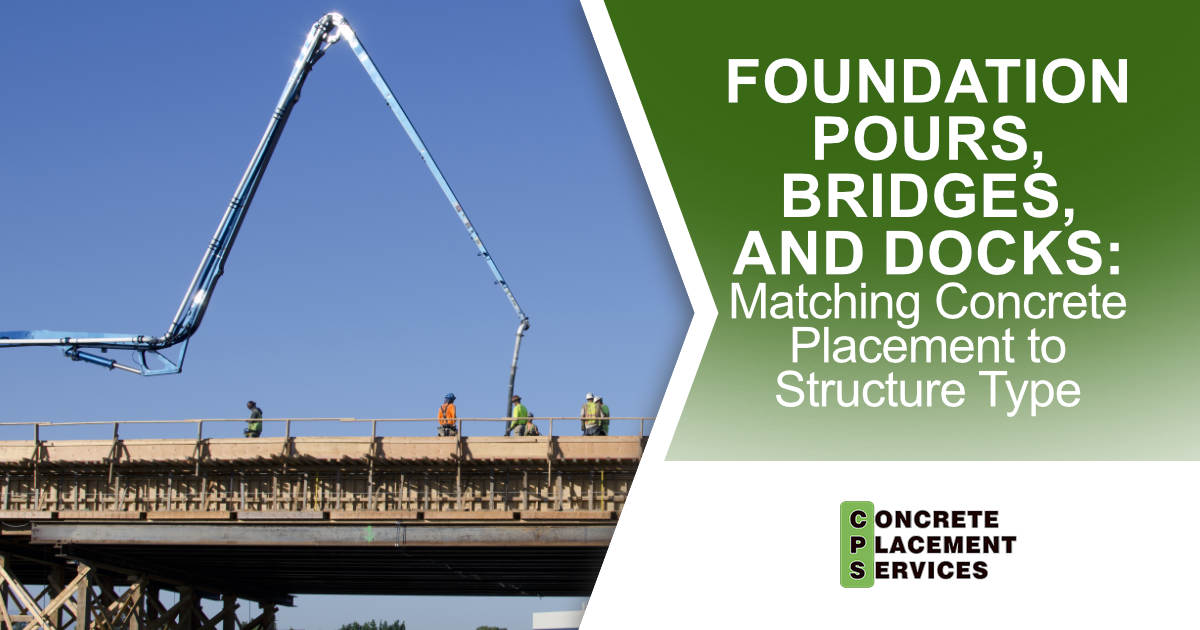
Not every commercial project involves straightforward concrete placement, making technical expertise an important evaluation factor. Large foundations, elevated pours, structural walls, parking structures, and expansive slabs often require specialized planning and equipment capabilities. Contractors should verify that a pumping partner has successfully managed projects with comparable complexity.
Large commercial developments frequently require multiple placement phases spread over several weeks or months. Maintaining consistent quality and reliable scheduling throughout each phase helps support overall project progress while minimizing disruptions to other trades. A contractor experienced in phased construction understands the importance of adapting to evolving project conditions.
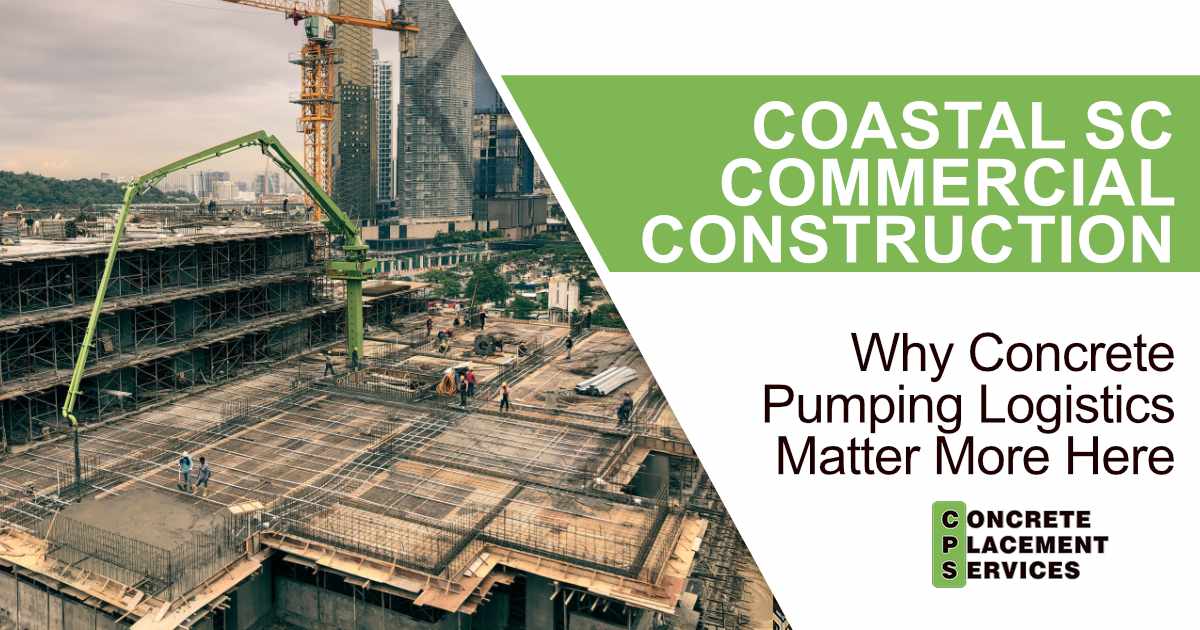
Site constraints also play a significant role in commercial concrete placement. Limited access, surrounding structures, varying elevations, and active construction zones require careful equipment positioning and coordinated planning before pumping begins. Experience managing these variables contributes to safer operations and more predictable project outcomes.
Communication Is a Key Factor When Hiring a Concrete Pump Company
Pre-Construction Planning
Strong communication often begins well before the first concrete truck arrives on-site. During pre-construction planning, experienced pumping contractors review project specifications, evaluate site access, discuss scheduling requirements, and identify any potential challenges that may affect placement operations. This collaborative approach helps establish realistic expectations and reduces the likelihood of avoidable delays.
Site walkthroughs provide an opportunity to evaluate equipment access, staging areas, and pump positioning before work begins. Identifying logistical concerns early allows project teams to make adjustments that improve efficiency on the day of the pour. Thorough planning also helps coordinate concrete deliveries with pumping operations to maintain a continuous workflow.
Scheduling flexibility is another important consideration during project planning. Commercial construction schedules often change because of weather, inspections, or progress from other trades. A responsive subcontractor works proactively with project managers to accommodate adjustments while minimizing disruptions to the overall schedule.
Coordination During Concrete Placement
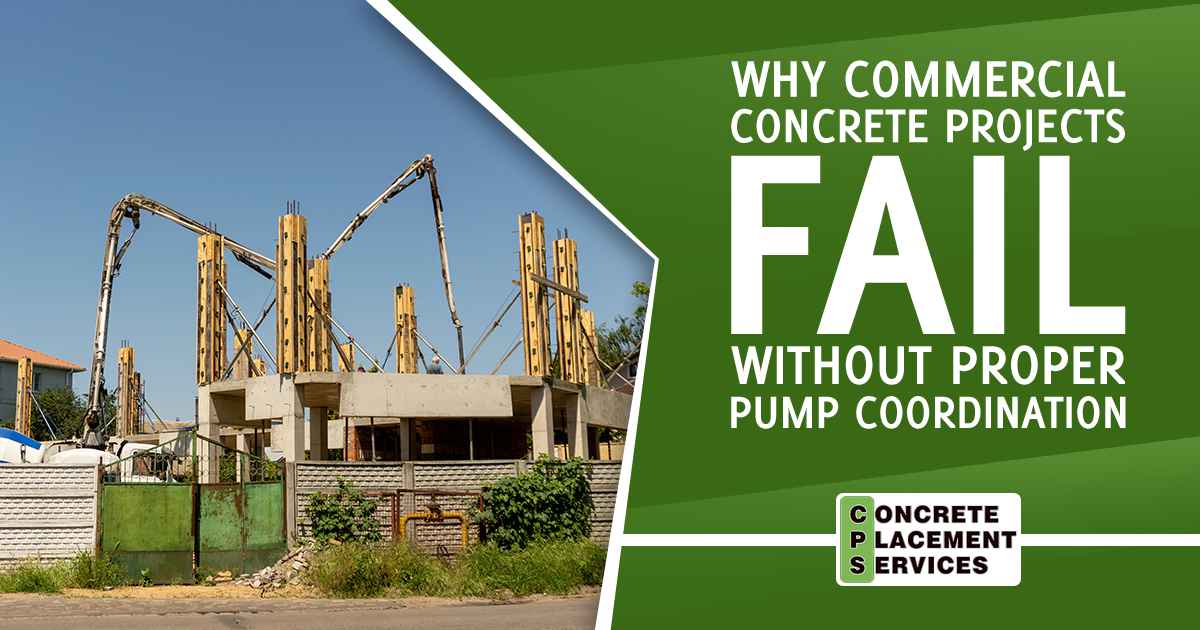
Successful concrete placement depends on continuous coordination between everyone involved in the pour. Pump operators, general contractors, ready-mix suppliers, and finishing crews all play important roles in maintaining productivity throughout the operation. Clear communication helps ensure that each phase proceeds according to plan while allowing teams to respond quickly to changing conditions.
Weather conditions, traffic delays, or unexpected jobsite issues may require adjustments during concrete placement. Contractors should look for partners who communicate changes promptly and work collaboratively to maintain project momentum. A company that remains organized under changing circumstances helps reduce uncertainty and improve overall efficiency.
Professional communication extends beyond the placement itself. Reliable subcontractors provide timely updates, respond to questions promptly, and coordinate closely with project leadership throughout the construction process. These practices help build long-term relationships based on trust, reliability, and consistent performance.
Why Regional Knowledge Supports Better Commercial Construction Projects
Understanding Local Construction Conditions
Regional experience provides advantages that extend beyond familiarity with local roads and project locations. Contractors working throughout South Carolina understand how weather patterns, seasonal conditions, soil characteristics, and regional construction practices can influence project planning and execution. This knowledge supports more effective scheduling and better preparation for site-specific conditions.
Commercial construction projects frequently encounter unique logistical challenges depending on their location. Rural developments, industrial facilities, urban construction sites, and municipal projects each require different approaches to equipment access and placement strategy. Companies with regional experience are better prepared to anticipate these variables before work begins.
Local knowledge also contributes to stronger relationships with suppliers, contractors, and project stakeholders throughout the region. Familiarity with regional construction practices often improves coordination and helps maintain smoother project workflows. These advantages become increasingly valuable on large commercial projects where multiple teams must work together efficiently.
Serving South Carolina and Surrounding Markets
Working throughout South Carolina, Georgia, and Florida communities provides valuable insight into the region’s commercial construction environment. Familiarity with local project conditions enables a concrete placement contractor in Ridgeland, SC, to prepare for site-specific challenges while maintaining efficient scheduling and dependable service. This regional experience supports better planning without changing the overall evaluation criteria contractors should use.
While local expertise is important, it should complement—not replace—the qualifications discussed throughout this guide. Contractors should continue evaluating equipment capabilities, safety practices, project experience, and communication standards when comparing potential partners. Regional familiarity simply strengthens a contractor’s ability to deliver consistent performance across South Carolina commercial projects.
Questions to Ask Before Selecting a Concrete Pump Contractor SC
Choosing the right concrete pump contractor SC involves more than comparing pricing or equipment lists. General contractors should evaluate how a subcontractor approaches planning, communication, safety, and long-term project support. Asking thoughtful questions during the selection process helps identify companies that consistently deliver dependable commercial services.
Some of the most valuable questions to ask include:
- Has the company completed projects similar in size and complexity?
- What safety procedures and operator training programs are in place?
- Is the equipment fleet capable of supporting the project’s requirements?
- How are scheduling changes and unexpected delays managed?
- Can the company provide references from recent commercial projects?
The answers should demonstrate professionalism, transparency, and a commitment to successful project execution. Experienced subcontractors are typically prepared to discuss their processes, explain how they coordinate with project teams, and provide examples of previous commercial work. These conversations often reveal whether a company is equipped to become a reliable long-term construction partner rather than simply another subcontractor on the project.
How Concrete Placement Services Meets These Commercial Standards
Evaluating commercial concrete pumping partners becomes much easier when contractors compare prospective companies against clearly defined performance standards. A dependable subcontractor should demonstrate modern equipment capabilities, experienced operators, strong communication practices, a commitment to safety, and proven success across commercial construction projects. These qualities contribute to smoother project execution while helping contractors manage schedules, budgets, and overall job site efficiency.
Contractors can evaluate any commercial pumping partner using these standards. Concrete Placement Services demonstrates these qualities through experienced operators, dependable scheduling, modern equipment, and a contractor-focused approach. From pre-construction planning through final concrete placement, the company emphasizes communication, safety, and dependable scheduling that aligns with the needs of commercial builders throughout South Carolina. Contractors seeking experienced commercial concrete placement services can evaluate the company’s capabilities using the same objective criteria outlined throughout this guide.
Rather than focusing solely on equipment or project size, successful commercial partnerships are built on consistency and trust. Companies that invest in qualified operators, maintain dependable fleets, communicate proactively, and understand regional construction challenges are often better positioned to support complex commercial projects. Applying these evaluation standards helps contractors identify partners capable of delivering reliable performance from one project to the next.
Partner with a Trusted Commercial Concrete Pumping Team
Selecting a commercial concrete pumping partner is an important decision that can influence every phase of a construction project. By evaluating equipment capabilities, operator qualifications, project experience, communication practices, and regional expertise, contractors can make informed decisions that reduce risk and improve overall project success. Working with an experienced commercial concrete pumping partner provides confidence that every placement will be supported by careful planning, dependable execution, and a commitment to helping commercial projects stay on schedule.