Commercial construction projects rely on carefully coordinated schedules, specialized equipment, and multiple crews working together to meet deadlines. When a concrete pump unexpectedly goes out of service, the resulting disruption can extend far beyond the concrete placement operation itself. Understanding the true concrete pump downtime cost helps project managers, contractors, and developers make informed decisions that protect project timelines and budgets.
Understanding the Real Concrete Pump Downtime Cost on Commercial Projects
What Constitutes Concrete Pump Downtime?
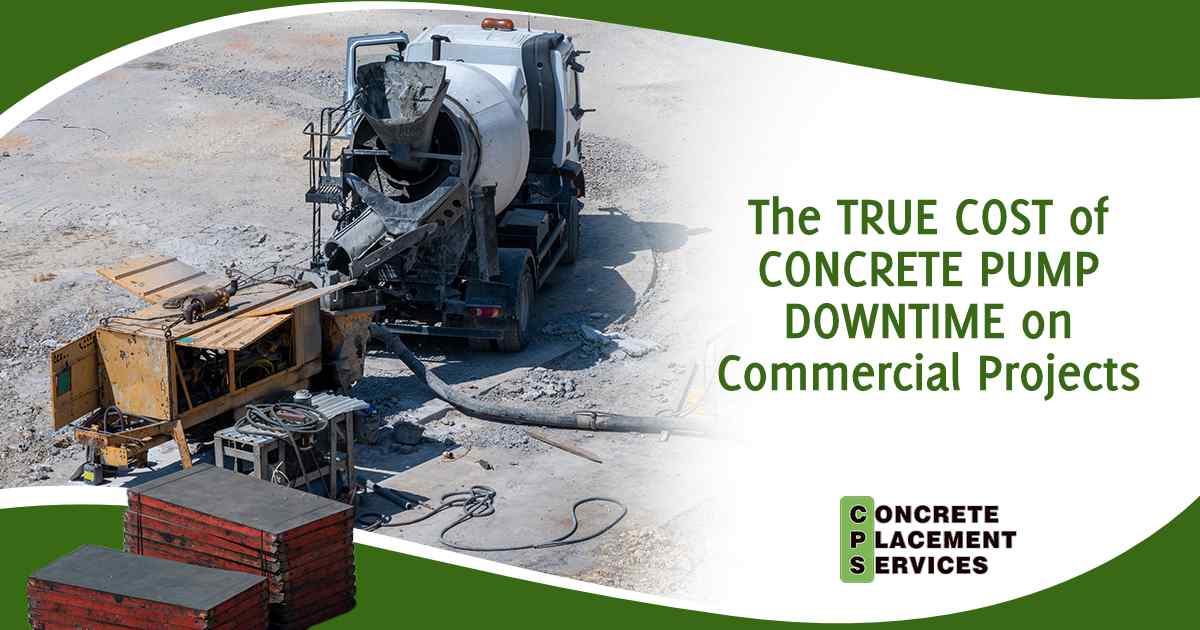
Concrete pump downtime refers to any period when pumping equipment is unavailable or unable to perform its intended function during a project. This downtime may be planned, such as scheduled maintenance, or unplanned due to mechanical failures, operator issues, or jobsite complications. Regardless of the cause, downtime interrupts production and can create costly consequences throughout a commercial project.
Unplanned downtime is often the most disruptive because it occurs without warning. Equipment breakdowns, hydraulic system failures, worn components, or electrical issues can suddenly halt concrete placement operations. When concrete deliveries, labor crews, and project schedules are already in motion, even a short interruption can become expensive.
Commercial construction projects frequently operate on tight timelines with multiple trades working in sequence. Concrete placement often serves as a critical milestone that affects subsequent phases of construction. As a result, downtime can quickly extend beyond the pumping crew and influence the entire project schedule.
Why Downtime Impacts More Than the Concrete Placement Crew
Concrete pumping operations rarely function in isolation on commercial jobsites. General contractors coordinate labor, material deliveries, inspections, and subcontractor schedules around planned construction activities. When pumping equipment becomes unavailable, these carefully arranged schedules can begin to unravel.
A delayed concrete pour may affect framing crews, steel contractors, utility installers, and other trades waiting for work areas to become available. These disruptions often create a chain reaction that extends well beyond the original equipment issue. The longer the delay continues, the greater the potential impact on overall project coordination.
Many commercial projects also operate under contractual deadlines and milestone requirements. Missing a critical activity can place pressure on project teams to accelerate future work. This often leads to increased labor costs and additional construction schedule risk throughout the remaining phases of the project.
How Commercial Construction Delays Create Escalating Project Costs
Idle Labor Costs and Crew Productivity Losses
One of the most immediate consequences of downtime is the cost of idle labor. Concrete placement crews, finishers, supervisors, and support personnel may remain on site while waiting for equipment issues to be resolved. Even a brief delay can result in significant labor expenses without productive work being completed.
Commercial construction labor represents a substantial portion of project budgets. When workers are unable to perform scheduled tasks, productivity declines while payroll expenses continue to accumulate. These losses become increasingly significant on large projects involving multiple crews.
Overtime expenses may also increase as contractors attempt to recover lost time. Extended workdays and weekend schedules are often used to regain schedule momentum following unexpected delays. While these measures may help maintain deadlines, they can substantially increase project costs.
Equipment Rental and Scheduling Impacts
Many commercial projects depend on rented equipment to support construction activities. When concrete pump downtime affects project schedules, rental periods may need to be extended to accommodate revised timelines. These additional expenses can quickly increase overall project costs.
Mobilization and demobilization expenses may also rise when work must be rescheduled. Returning crews and equipment to a project site often requires additional planning and logistical coordination. These costs can be particularly high on large commercial developments.
Subcontractor schedules may also require adjustments following downtime events. Coordinating revised schedules among multiple vendors and contractors can become increasingly difficult as delays accumulate. The resulting disruptions frequently contribute to broader commercial construction delays.
Delayed Inspections and Permit Milestones
Commercial projects often depend on inspections and permit approvals at key stages of construction. Concrete placement activities may need to be completed before inspectors can verify compliance and authorize subsequent work. When downtime postpones these activities, important project milestones may also be delayed.
Missed inspection windows can create scheduling complications that extend beyond the original delay. In some cases, contractors may need to wait days or even weeks for a new inspection appointment. This can further increase project costs and disrupt planned construction sequences.
Permit-related delays can have lasting effects on project timelines. Activities that depend on approved inspections may remain on hold until regulatory requirements are satisfied. These setbacks highlight how equipment reliability can influence far more than a single construction operation.
Construction Schedule Risk Increases with Unreliable Pump Equipment
The Ripple Effect Across Multiple Trades
Commercial construction projects rely heavily on sequencing and coordination. When concrete placement activities fall behind schedule, multiple trades may be forced to adjust their work plans. This interconnected environment makes construction schedule risk a major concern for project managers.
Structural contractors often depend on completed concrete work before advancing to the next phase of construction. Delays in foundations, slabs, or elevated decks can affect framing schedules and material deliveries. As these disruptions spread throughout the project, overall productivity may decline.
Mechanical, electrical, and plumbing contractors may also experience scheduling challenges. Their work frequently depends on structural milestones being completed on time. Delayed access to work areas can create inefficiencies that increase labor costs and extend project durations.
How Schedule Compression Creates Additional Risk
Project teams often attempt to recover lost time by compressing schedules after downtime events. While this strategy may help preserve completion dates, it frequently introduces additional challenges. Increased pressure to accelerate work can affect productivity, quality control, and safety performance.
Compressed schedules often require additional labor resources and overtime hours. These adjustments may help reduce delays but typically increase project expenses. Contractors must carefully balance schedule recovery efforts against budget considerations.
Reduced scheduling flexibility can also create problems when unexpected issues arise later in the project. A schedule with little remaining contingency leaves fewer opportunities to absorb future disruptions. This makes reliable equipment performance even more important during critical construction activities.
Why Concrete Pump Reliability Matters for Commercial Success
The Role of Preventive Maintenance in Pump Equipment Reliability
Preventive maintenance is one of the most effective ways to improve pump equipment reliability. Regular inspections, component replacements, and system testing help identify potential issues before they cause operational failures. A proactive maintenance strategy reduces the likelihood of costly downtime during critical project phases.
Well-maintained equipment generally performs more consistently under demanding job-site conditions. Hydraulic systems, wear parts, hoses, and other components require ongoing attention to support reliable operation. Contractors often benefit when pumping providers invest in comprehensive maintenance programs.
Routine maintenance also contributes to improved safety and equipment longevity. Identifying worn or damaged components before failure helps reduce operational risks. These practices support dependable performance and help minimize unexpected project interruptions.
Operator Experience and Jobsite Performance
Experienced operators play an important role in maintaining concrete pump reliability. Skilled professionals understand how to identify warning signs, adapt to changing site conditions, and respond effectively to operational challenges. Their expertise can help prevent minor issues from becoming major disruptions.
Operator knowledge also contributes to efficient setup and pumping operations. Proper equipment positioning, communication, and monitoring help support smooth concrete placement activities. These factors improve overall project performance while reducing unnecessary delays.
Commercial contractors often view experienced operators as an important risk-management asset. Their ability to troubleshoot issues and maintain productivity supports successful project execution. This experience becomes particularly valuable during large or complex concrete placements.
Improving Concrete Pumping Efficiency to Protect Project Timelines
Equipment Selection and Project Planning
Selecting the appropriate pumping equipment for a project is essential for maintaining concrete pumping efficiency. Factors such as placement distance, building height, pour volume, and site access requirements all influence equipment selection decisions. Matching equipment capabilities to project demands helps reduce operational challenges.
Effective planning also supports improved project outcomes. Contractors and pumping providers benefit from discussing logistics, scheduling requirements, and site conditions before work begins. Early coordination can help identify potential obstacles and minimize disruptions during concrete placement activities.
Contingency planning further strengthens project readiness. Backup equipment availability and fleet redundancy can provide valuable protection when unexpected issues occur. These strategies help reduce the likelihood of extended downtime affecting critical construction activities.
Minimizing Disruptions During Large Concrete Placements
Large commercial pours require careful preparation and coordination among multiple stakeholders. Pre-pour meetings help establish responsibilities, communication procedures, and contingency plans before work begins. This level of preparation can significantly reduce operational risks.
Real-time communication during placement activities also supports efficient operations. Project managers, pump operators, concrete suppliers, and field crews benefit from maintaining clear communication throughout the process. Quick decision-making can help address challenges before they escalate into significant delays.
Backup plans provide an additional layer of protection for complex projects. Access to replacement equipment and support resources can help maintain productivity if unforeseen issues occur. These measures contribute to more reliable project execution and improved schedule performance.
Calculating Commercial Concrete ROI Beyond the Initial Pumping Cost
Comparing Downtime Costs to Reliable Pumping Services
Many project stakeholders focus primarily on the upfront cost of concrete pumping services. While pricing remains important, evaluating commercial concrete ROI requires considering both direct and indirect costs associated with downtime. Equipment reliability often plays a significant role in overall project performance.
A single downtime event can generate expenses related to idle labor, extended rentals, rescheduled inspections, and delayed subcontractor activities. These costs may quickly exceed any short-term savings achieved by selecting lower-cost service providers. Reliable pumping services can help reduce exposure to these risks.
Project managers increasingly recognize the value of predictable execution. Consistent performance supports budget control, schedule adherence, and efficient resource utilization. These benefits contribute directly to improved project outcomes.
Long-Term Benefits of Reliable Concrete Pumping Partners
Reliable pumping partners help create greater confidence throughout the construction process. Contractors can make scheduling decisions more effectively when equipment performance is dependable. This predictability supports stronger project management and resource planning.
Improved budgeting accuracy is another important advantage. Fewer disruptions mean fewer unexpected expenses related to labor, equipment, and schedule recovery efforts. This contributes to better financial performance across commercial projects.
Dependable pumping operations also strengthen relationships among owners, contractors, and stakeholders. Consistent project delivery helps build trust and supports future business opportunities. Over time, these benefits reinforce the value of investing in reliability rather than focusing solely on initial costs.
Protect Your Project from Costly Concrete Pump Downtime
Concrete pump downtime can affect far more than a single construction activity. Idle crews, commercial construction delays, inspection disruptions, and schedule compression can create significant financial consequences that impact overall project success. Understanding these risks allows project teams to make more informed decisions when selecting pumping partners.
Reliable equipment, preventive maintenance programs, and experienced operators all contribute to reducing downtime and protecting project timelines. Commercial contractors who prioritize concrete pump reliability often experience stronger productivity, improved scheduling performance, and better overall project outcomes. To learn how Concrete Placement Services helps reduce risk on commercial projects, connect with their experienced concrete placement specialists.