Urban construction continues to reshape cities as commercial developments, industrial renovations, and mixed-use projects maximize limited space. While these projects create opportunities for growth, they also present logistical challenges that make concrete placement more complex than on open construction sites. In many cases, city pump concrete solutions provide the accessibility and flexibility needed to complete pours safely and efficiently.
Unlike expansive job sites with unrestricted access, confined commercial environments often require equipment capable of navigating narrow streets, existing structures, and active work zones. Selecting the appropriate pumping equipment can help contractors maintain productivity while minimizing disruption to surrounding operations. Among the most effective solutions for these conditions is the VSP 70 city pump, a compact machine designed for demanding commercial applications where space is limited.
What Is City Pump Concrete Equipment?
City pump concrete equipment is designed to deliver ready-mix concrete in locations where larger pumping systems may not operate efficiently. Its compact footprint allows crews to position equipment in restricted areas while maintaining reliable concrete flow for commercial construction projects. This makes city pumps a practical solution for contractors working in densely developed environments.
How a VSP 70 City Pump Differs from Traditional Concrete Pumps
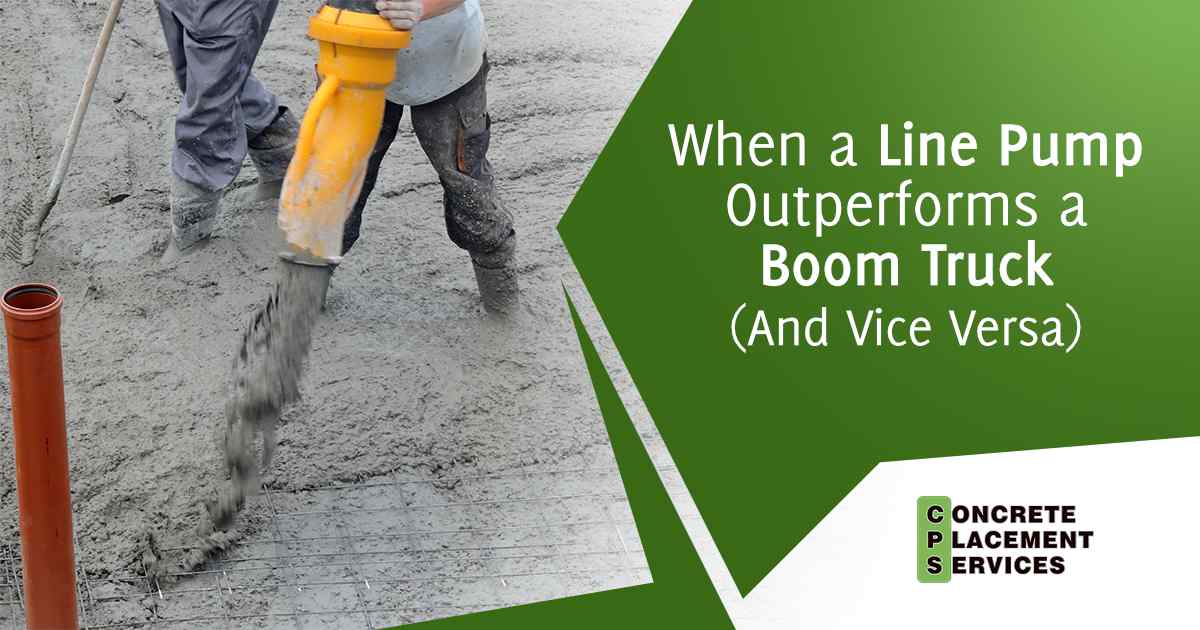
The VSP 70 city pump combines maneuverability with pumping performance, making it well-suited for projects where access is limited rather than open. Instead of relying on large equipment footprints, operators can position the pump closer to the work area while routing hoses through spaces that would otherwise be difficult to reach. This flexibility helps crews complete concrete placement without unnecessary delays caused by restricted site conditions.
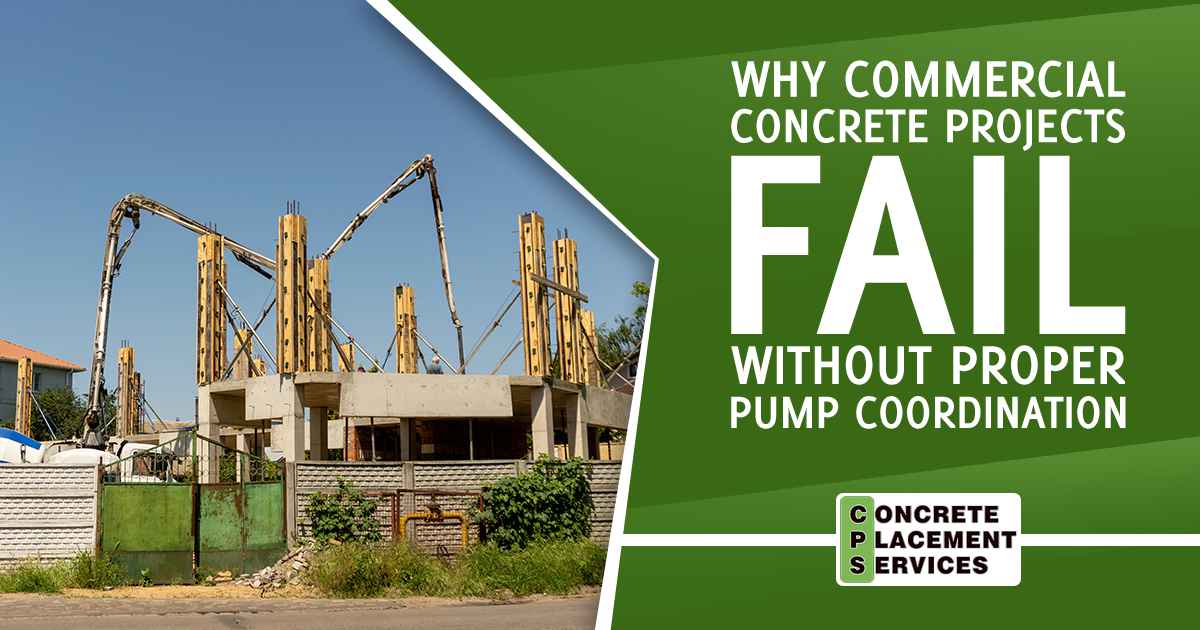
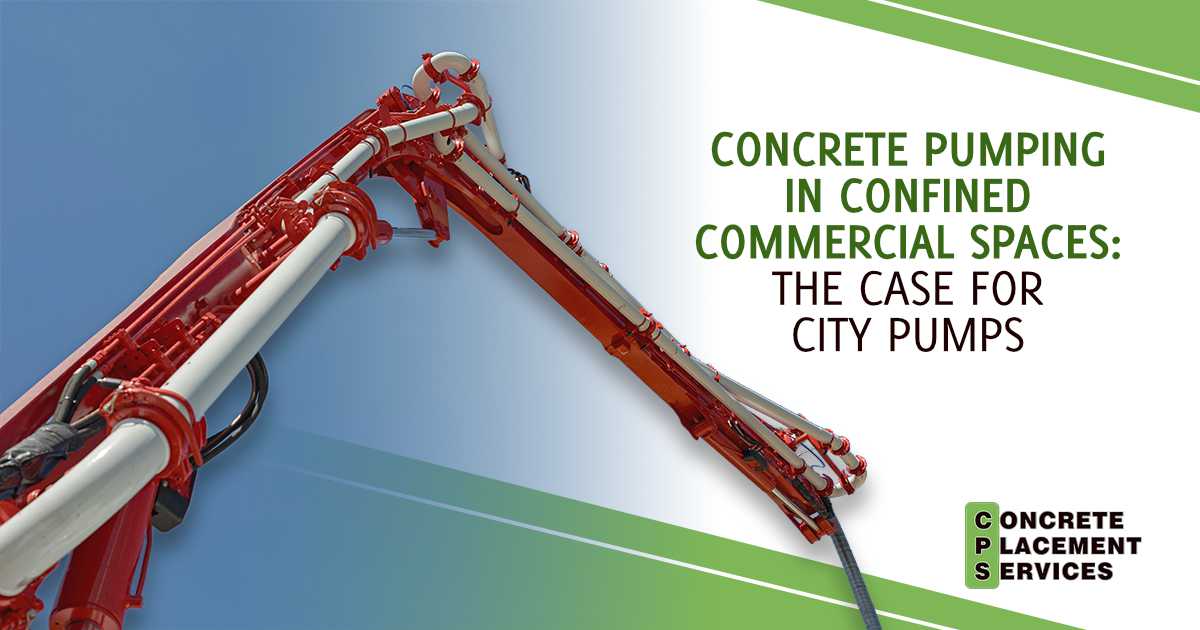
Compared with larger concrete boom pumps, a city pump emphasizes accessibility rather than extended vertical reach. While boom pumps remain valuable for high-rise structures and expansive job sites, compact line pumping equipment is often the better option for projects requiring tight maneuvering and controlled hose placement. Choosing the appropriate equipment depends on the site's layout, access limitations, and the specific requirements of the concrete pour.
Why the VSP 70 City Pump Excels on Confined Job Site Concrete Projects
Confined commercial projects require more than simply delivering concrete to the site. Contractors must coordinate equipment movement, material delivery, and crew operations while working around existing infrastructure and limited staging areas. The compact design of the VSP 70 city pump allows crews to overcome many of these logistical challenges without sacrificing productivity.
Downtown developments frequently involve narrow roadways, nearby buildings, and strict traffic management requirements that limit where equipment can be positioned. Industrial remodels often take place while portions of a facility remain operational, leaving little room for large machinery or extended setup areas. In these environments, compact pumping equipment provides greater flexibility while supporting efficient concrete placement.
Restricted-access projects also benefit from simplified equipment positioning that reduces interference with surrounding construction activities. Operators can adjust hose routing to accommodate changing site conditions while maintaining consistent concrete delivery throughout the pour. This adaptability helps project teams stay on schedule despite the unique demands of confined construction sites.
Urban Concrete Pumping Challenges in Confined Construction Sites
Urban construction introduces obstacles that require careful planning before concrete placement begins. Every project presents different access limitations, making equipment selection an important part of maintaining efficiency and protecting surrounding property. Understanding these challenges allows contractors to choose pumping solutions that align with project requirements.
Common Obstacles in Commercial Concrete Urban Construction
Commercial construction sites often include several conditions that complicate concrete placement, including:
- Narrow streets with limited vehicle access
- Existing neighboring buildings
- Overhead utility lines
- Active pedestrian walkways
- Occupied commercial facilities
- Limited staging and storage areas
- Restricted truck positioning
- Tight construction schedules
Each of these factors influences how concrete is delivered and placed throughout the project. Equipment with a smaller operational footprint allows crews to adapt more effectively while reducing congestion around active work areas. Proper planning also improves coordination between pump operators, ready-mix deliveries, and other construction trades working simultaneously.
Urban developments frequently require contractors to complete concrete pours without disrupting nearby businesses or public access. Minimizing equipment movement and simplifying setup procedures can help maintain productivity while supporting site safety. These considerations become increasingly important as commercial projects continue to move into densely developed areas.
When a Concrete Pump for Tight Access Is the Best Choice
Not every commercial construction project requires large pumping equipment. Many jobs involve confined workspaces where accessibility and maneuverability are more valuable than extended reach. In these situations, selecting a concrete pump for tight access can improve efficiency while simplifying daily operations.
Compact pumping equipment is commonly used for projects such as:
- Commercial building additions
- Warehouse expansions
- Loading dock construction
- Parking garage slabs
- Interior concrete floors
- Industrial facility renovations
- Retail redevelopment
- Municipal infrastructure improvements
- Downtown mixed-use developments
- Sidewalk and pedestrian improvements
- Hospital expansions
- Educational facility construction
These projects often involve existing buildings, restricted staging areas, or ongoing operations that limit equipment placement. Flexible hose routing allows operators to deliver concrete precisely where it is needed without requiring oversized machinery. This approach supports a smoother workflow while helping contractors maintain project timelines.
Interior renovations present another example where compact equipment provides significant advantages. Existing structures frequently restrict direct equipment access, requiring crews to navigate through narrow corridors or confined spaces. A city pump's maneuverability allows concrete placement to continue efficiently despite these physical limitations.
How City Pump Concrete Equipment Improves Efficiency on Confined Projects
Efficiency on commercial job sites depends on more than pumping capacity alone. Equipment that can be positioned quickly and operated within limited space often contributes more to overall productivity than larger systems designed for unrestricted environments. Compact city pumps help crews maximize available workspace while supporting consistent concrete placement.
Reduced setup requirements allow construction teams to begin pumping sooner after equipment arrives on site. Shorter setup times can improve scheduling coordination, particularly on projects involving multiple subcontractors or phased construction activities. This streamlined process helps maintain momentum throughout the workday.
Efficient hose routing further improves productivity by allowing operators to adapt to changing site conditions. Instead of repositioning large equipment repeatedly, crews can extend hose placement into confined areas while maintaining steady concrete flow. This flexibility reduces interruptions and helps keep pours progressing according to schedule.
Additional operational benefits include:
- Reduced equipment footprint
- Less disruption to surrounding work areas
- Improved crew coordination
- Better adaptability to confined environments
- Consistent concrete placement
- Efficient material movement
- Enhanced job site organization
These advantages become especially valuable on projects where space limitations affect every phase of construction. Selecting equipment that matches site conditions contributes to safer operations while supporting high-quality concrete placement.
Planning Successful Concrete Placement in Confined Commercial Spaces
Successful concrete placement begins long before ready-mix trucks arrive on site. Project managers evaluate site accessibility, delivery routes, equipment positioning, and scheduling to reduce potential delays during the pour. Careful planning helps ensure pumping operations proceed efficiently despite limited working space.
Experienced pump operators understand how changing site conditions influence equipment setup and hose routing. Their familiarity with confined commercial environments allows them to adjust pumping strategies while maintaining safe operations throughout the project. Effective communication between contractors, pump operators, and ready-mix suppliers further improves coordination on complex construction sites.
Equipment selection should always reflect the specific needs of each project rather than relying on a one-size-fits-all approach. Contractors working throughout South Carolina frequently encounter projects where compact pumping equipment provides practical advantages over larger alternatives. Those interested in learning more about commercial line pumping services can explore the available solutions through the company's line pump service page.
Work With Concrete Placement Services for City Pump Concrete Projects
Commercial construction projects with limited access require thoughtful planning and equipment suited to confined environments. Concrete Placement Services supports contractors across South Carolina with compact concrete pumping solutions designed for challenging commercial job sites. Whether working on downtown developments, warehouse expansions, or industrial renovations, the right pumping equipment helps crews complete concrete placement safely and efficiently.