High-rise construction projects require a reliable method for moving concrete to elevated work areas. As buildings increase in height, placing concrete efficiently becomes more challenging. Contractors must consider reach, job site access, safety requirements, and project timelines when selecting pumping equipment.
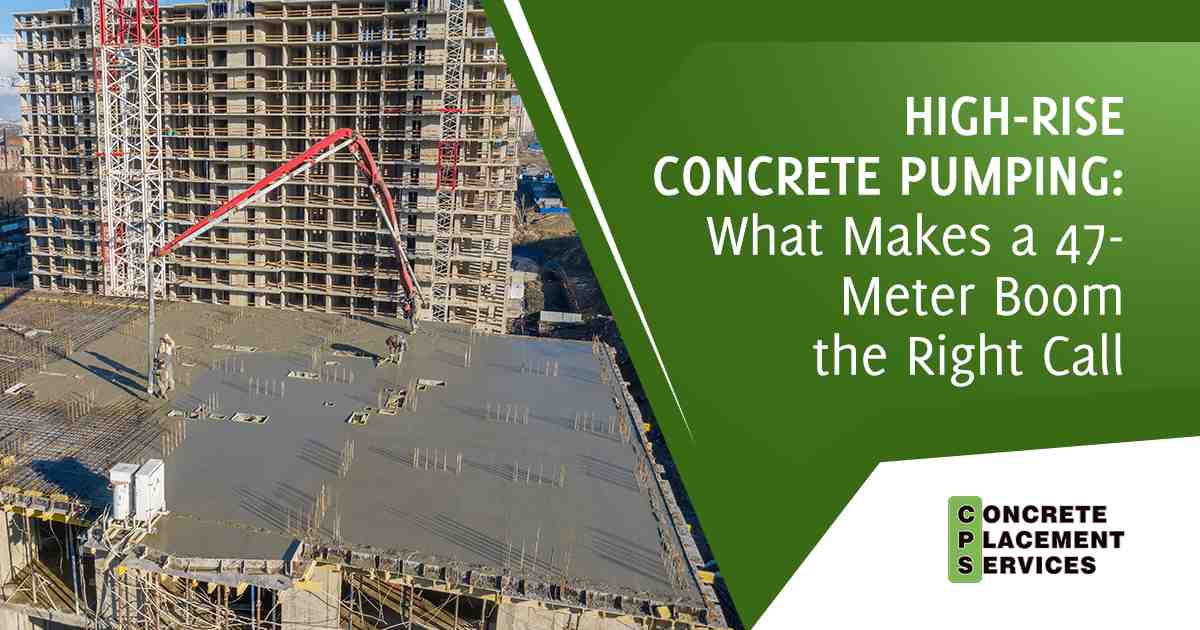
High-rise concrete pumping provides a practical solution for delivering concrete to upper floors and hard-to-reach areas. Among the available options, a 47-meter boom pump offers a balance of reach, flexibility, and productivity for many commercial construction projects. Its ability to support vertical concrete placement while reducing manual handling makes it a common choice for multi-story developments.
Understanding how a 47-meter boom pump works and where it delivers the most value can help contractors choose the right equipment for their next project.
Understanding High-Rise Concrete Pumping for Multi-Story Construction
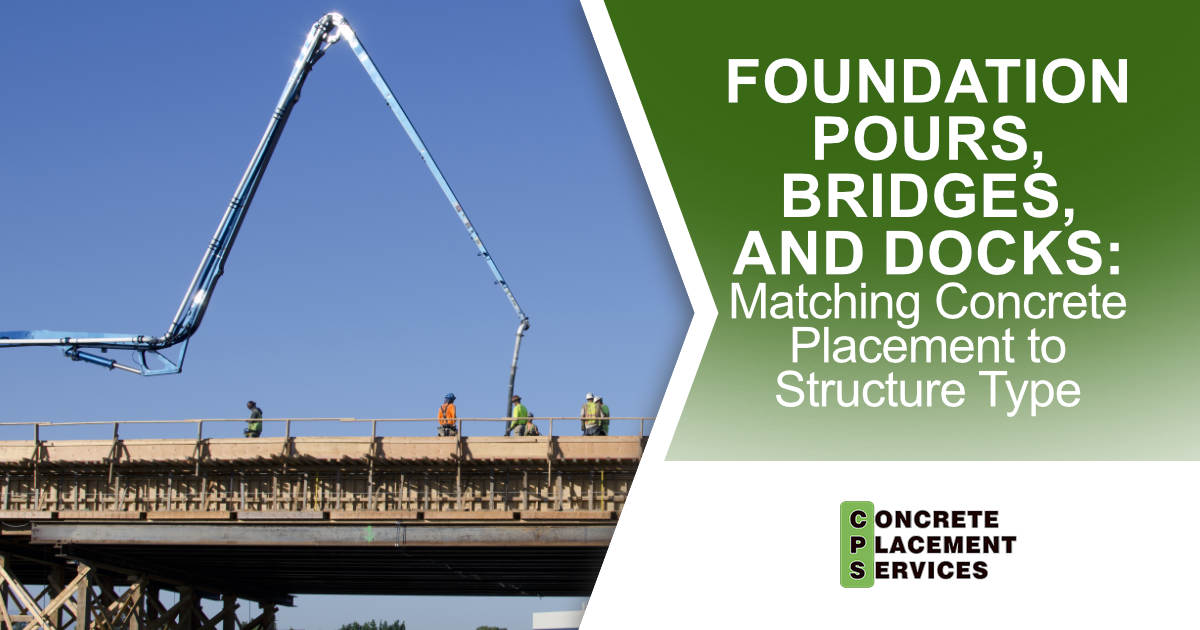
High-rise concrete pumping is the process of transporting concrete through a boom system to elevated locations on a construction site. This method allows crews to place concrete accurately in areas that would be difficult to access using traditional placement methods.
Commercial concrete pumping plays an important role in the construction of office buildings, apartment complexes, parking structures, hotels, and other multi-story developments. By delivering concrete directly where it is needed, boom pumps help maintain a steady workflow and reduce delays during critical phases of construction.
How High-Rise Concrete Pumping Supports Vertical Building Projects
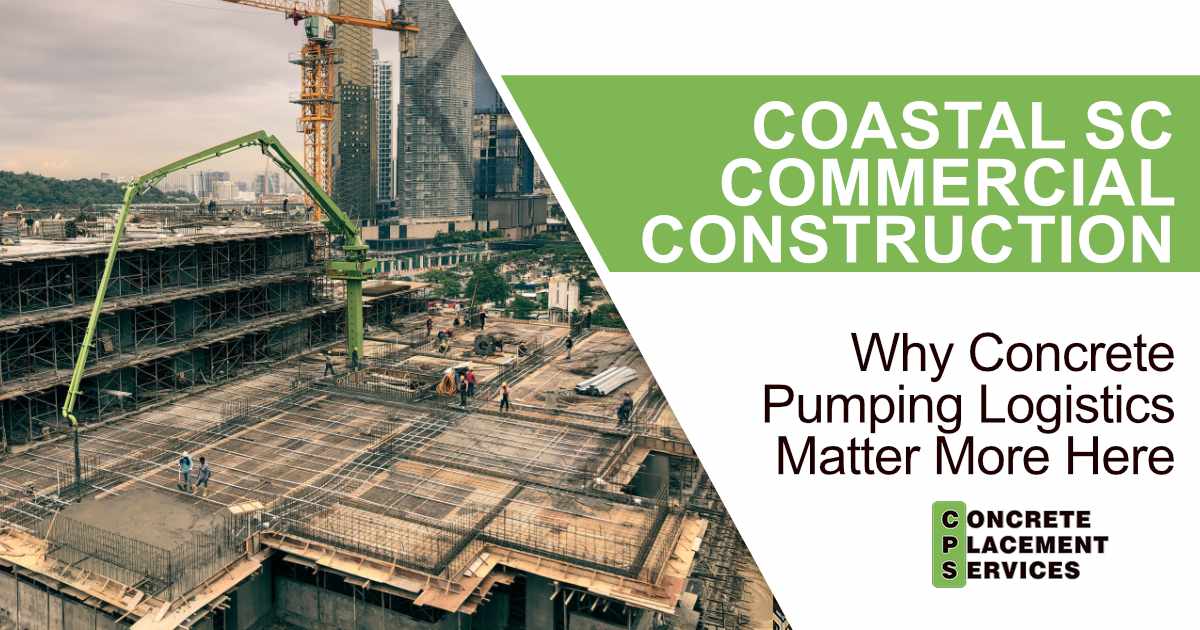
Vertical construction depends on the ability to move concrete safely and efficiently to higher elevations. High-rise concrete pumping allows contractors to place concrete on upper floors without relying on cranes, buckets, or extensive manual labor.
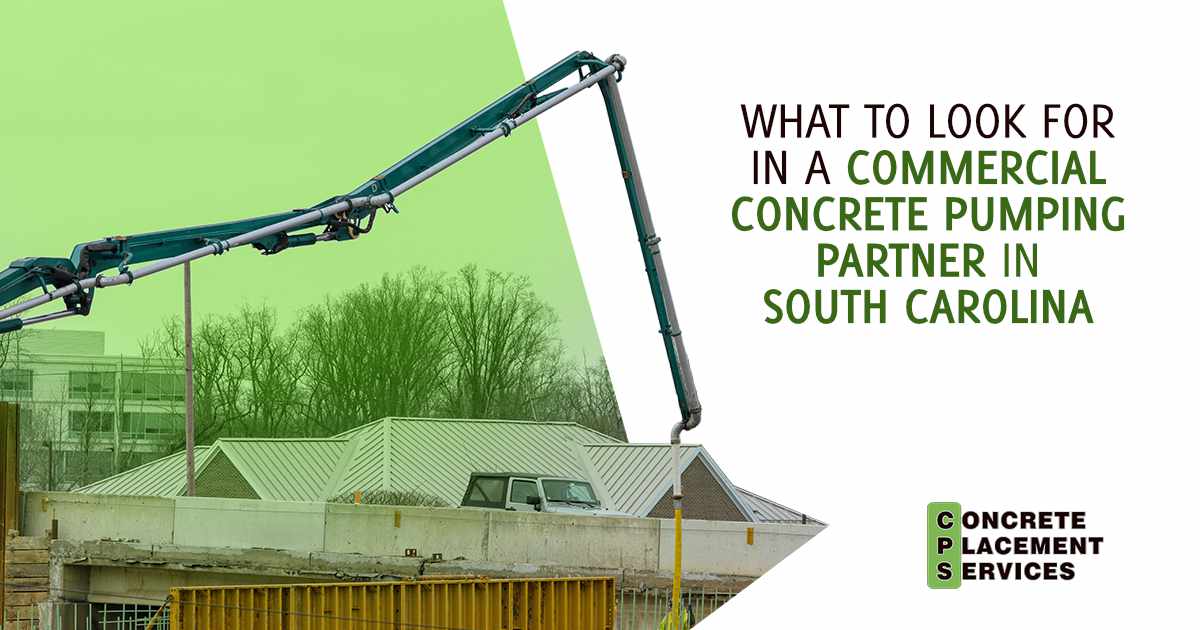
A concrete boom pump extends its articulated arm to reach forms, columns, walls, and slabs located above ground level. This direct placement method improves accuracy and helps crews maintain consistent concrete flow throughout the pour. For large-scale projects, vertical concrete placement can be completed more efficiently when the proper boom length is selected.
In many cases, a 47-meter boom pump provides sufficient reach for mid-rise and high-rise structures while allowing operators to position concrete exactly where it is needed.
Why Concrete Placement Becomes More Complex at Greater Heights
As building height increases, concrete placement becomes more demanding. Longer delivery distances, limited site access, and changing job site conditions can affect productivity and scheduling.
Contractors must also account for factors such as boom reach, setup space, pour volume, and safety requirements. In dense urban environments, these challenges can become even more significant due to nearby structures and restricted working areas.
High-rise concrete pumping helps address these concerns by providing controlled concrete delivery to elevated locations. When paired with the right boom pump size, contractors can improve efficiency, maintain project schedules, and support safe concrete placement throughout the construction process.
What Is a 47-Meter Boom Pump?
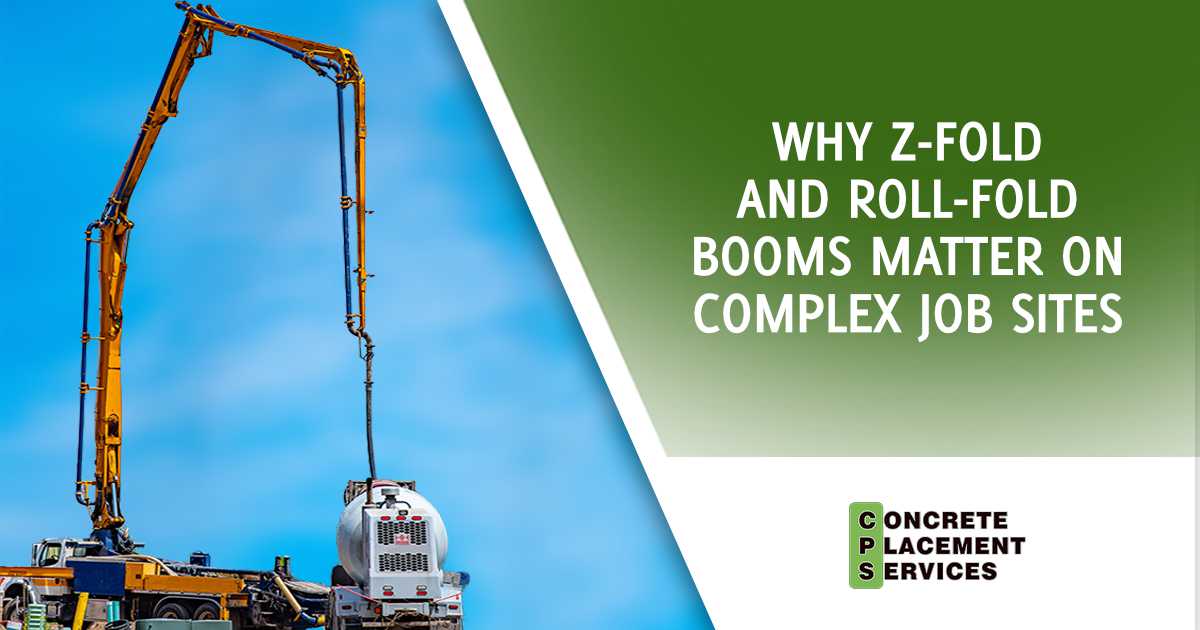
A 47-meter boom pump is a type of concrete pumping equipment designed to deliver concrete to elevated and hard-to-reach areas on construction sites. The boom consists of multiple articulated sections that unfold and extend to position the concrete precisely where it is needed. This flexibility makes the equipment well-suited for high-rise concrete pumping and large commercial construction projects.
Compared to smaller boom pumps, a 47-meter model provides greater vertical and horizontal reach while maintaining maneuverability on many job sites. This balance allows contractors to support efficient concrete placement without requiring multiple equipment relocations throughout the project.
Key Features of a 47-Meter Concrete Boom Pump
One of the primary advantages of a 47-meter concrete boom pump is its ability to handle demanding concrete placement requirements. The boom can extend over obstacles, around structures, and into elevated work zones that may be difficult to access using other methods.
Key features often include:
- Extended boom reach for high-rise concrete pumping applications
- Multiple boom sections for precise positioning
- High-volume pumping capacity for large concrete pours
- Remote-controlled operation for improved placement accuracy
- Flexible setup options for commercial construction sites
These features help contractors maintain productivity while reducing the time and labor required for concrete delivery. In projects involving vertical concrete placement, efficient boom movement can improve workflow and support consistent concrete distribution.
Typical Reach and Coverage for High-Rise Concrete Placement
A 47-meter boom pump provides significant coverage across a construction site. Its reach allows operators to place concrete at substantial heights while also extending horizontally across large work areas. This capability reduces the need to reposition equipment frequently, helping maintain steady progress during concrete pours.
For many mid-rise and high-rise construction projects, a 47-meter boom offers enough reach to access upper floors, structural walls, elevated slabs, and other critical components. The combination of vertical reach and horizontal coverage makes it a practical solution for commercial concrete pumping operations where efficiency and accessibility are priorities.
By delivering concrete directly to the placement area, a 47-meter boom pump helps reduce handling requirements and supports more controlled concrete placement throughout the project.
When a 47-Meter Boom Is the Right Choice for High-Rise Concrete Pumping
Selecting the right boom pump depends on several project-specific factors, including building height, site conditions, concrete volume, and placement requirements. A 47-meter boom pump is often chosen because it provides the reach needed for many multi-story construction projects while maintaining flexibility and efficiency on the job site.
For contractors managing commercial developments, the equipment can offer a practical balance between performance and accessibility.
Mid- to High-Rise Commercial Construction Projects
Many commercial buildings require concrete placement at heights that exceed the capabilities of smaller boom pumps. Office buildings, hotels, mixed-use developments, parking garages, and apartment complexes often benefit from the additional reach provided by a 47-meter boom.
High-rise concrete pumping allows concrete to be delivered directly to upper floors, reducing delays associated with alternative placement methods. By reaching elevated work areas from a strategic setup location, the boom pump helps crews maintain productivity throughout the construction process.
For projects involving multiple levels, consistent concrete delivery can play an important role in keeping schedules on track and minimizing interruptions during major pours.
Vertical Concrete Placement in Restricted Job Sites
Construction sites do not always provide unlimited space for equipment setup. Urban projects, downtown developments, and properties surrounded by existing structures often present access challenges that require careful planning.
A 47-meter boom pump can help address these limitations by extending over obstacles and reaching placement areas that may be difficult to access from ground level. This flexibility allows contractors to perform vertical concrete placement without extensive equipment movement throughout the site.
The ability to position concrete accurately in confined spaces can improve efficiency while helping crews navigate the logistical challenges common to commercial construction projects.
Large Concrete Pours Requiring Extended Reach
Some projects involve substantial concrete volumes that must be placed quickly and consistently. Structural slabs, elevated decks, foundations, retaining walls, and other large components often require continuous pumping operations to maintain quality and meet project requirements.
A 47-meter boom pump provides the reach and pumping capacity necessary to support these demanding applications. By reducing the need for repositioning and improving access to multiple pour locations, the equipment helps maintain a steady flow of concrete throughout the operation.
For contractors focused on productivity, high-rise concrete pumping with a properly sized boom pump can contribute to more efficient concrete placement and improved project coordination.
Advantages of Using a 47-Meter Boom for Vertical Concrete Placement
A 47-meter boom pump offers several advantages for contractors working on commercial and multi-story construction projects. Its reach, flexibility, and pumping capabilities help support efficient concrete placement while addressing many of the challenges associated with elevated construction work.
When selected for the appropriate project, this equipment can improve productivity, reduce operational delays, and help maintain consistent concrete delivery throughout the job site.
Improved Access to Elevated Pour Locations
One of the primary benefits of a 47-meter boom pump is its ability to access elevated pour locations with greater ease. Upper floors, structural walls, columns, and elevated slabs often require concrete placement in areas that are difficult to reach using traditional methods.
The articulated boom can extend vertically and horizontally to position concrete directly where it is needed. This capability allows crews to place concrete with greater accuracy while minimizing the need for additional handling or transportation methods.
For high-rise concrete pumping projects, improved access can help reduce logistical challenges and support smoother construction operations.
Reduced Labor Requirements and Equipment Movement
Concrete placement often requires significant coordination between equipment operators and construction crews. Frequent equipment repositioning can increase labor demands and create delays during active pours.
A 47-meter boom pump helps reduce these challenges by covering a larger work area from a single setup location. Because the boom can reach multiple placement zones without constant relocation, contractors may be able to complete pours more efficiently.
Reduced equipment movement can also help improve job site organization and minimize disruptions to other construction activities occurring simultaneously.
Enhanced Efficiency for Multi-Story Construction Schedules
Project timelines are a major consideration in commercial construction. Delays during concrete placement can affect multiple phases of a project and create scheduling challenges for contractors and subcontractors.
A 47-meter boom pump supports efficient concrete delivery by providing the reach necessary to access elevated work areas while maintaining a steady pumping operation. This can help crews complete pours within scheduled timeframes and reduce interruptions caused by equipment limitations.
For multi-story construction projects, efficient vertical concrete placement contributes to better workflow coordination and helps keep critical project milestones on track.
How Commercial Concrete Pumping Improves Project Productivity
Productivity is a key factor in the success of any commercial construction project. Delays in concrete placement can affect multiple trades, extend project timelines, and increase overall costs. Commercial concrete pumping helps address these challenges by providing a reliable method for delivering concrete efficiently to the required location.
For high-rise concrete pumping projects, the ability to place concrete quickly and accurately can help contractors maintain progress while meeting project deadlines.
Faster Concrete Delivery to Upper Floors
Transporting concrete to elevated work areas can be time-consuming when traditional placement methods are used. Cranes, buckets, and manual transportation often require additional coordination and may slow down operations.
Commercial concrete pumping streamlines this process by moving concrete directly from the mixer truck to the placement area through a boom system. This approach reduces handling steps and allows concrete to reach upper floors more efficiently.
For multi-story construction projects, faster concrete delivery can help crews complete pours on schedule while maintaining the pace of other construction activities.
Consistent Concrete Placement Across Large Structures
Large commercial developments often require concrete placement across multiple sections of a structure. Maintaining consistency throughout the pour is important for both project quality and operational efficiency.
A boom pump provides a continuous flow of concrete, allowing crews to place material evenly across slabs, walls, columns, and other structural elements. This controlled delivery method helps support uniform placement while reducing interruptions during the pour.
When high-rise concrete pumping equipment is properly matched to the project, contractors can maintain a steady workflow and improve coordination among crews working in different areas of the site.
Minimizing Downtime During Critical Pouring Operations
Downtime during a concrete pour can create scheduling issues and affect overall project productivity. Equipment repositioning, access limitations, and inefficient delivery methods may increase the risk of delays.
A 47-meter boom pump helps minimize these challenges by offering extensive reach and coverage from a single setup location. With fewer interruptions caused by equipment movement, contractors can maintain continuous pumping operations and complete pours more efficiently.
Reducing downtime is especially important during large-scale commercial construction projects where multiple teams depend on the timely completion of concrete placement activities. Efficient commercial concrete pumping helps support project schedules while improving overall job site performance.
Key Factors Contractors Should Consider Before Choosing a Boom Pump
Selecting the right boom pump is an important decision for any commercial construction project. While a 47-meter boom pump is well-suited for many high-rise concrete pumping applications, contractors should evaluate several factors before making a final equipment choice.
Understanding project requirements, site conditions, and concrete placement goals can help ensure the selected pump delivers the reach and performance needed for efficient operations.
Building Height and Placement Requirements
The height of the structure is one of the most important considerations when choosing a boom pump. Contractors must ensure the equipment can safely reach all required placement locations without compromising efficiency.
In addition to vertical reach, it is important to consider horizontal coverage. Some projects require concrete placement across large floor plates, structural walls, or elevated sections located away from the pump setup area.
A 47-meter boom pump is often selected because it provides a combination of vertical and horizontal reach that supports many mid-rise and high-rise construction projects. Evaluating these requirements early in the planning process can help prevent delays and equipment limitations during concrete placement.
Site Accessibility and Setup Space
Job site conditions can significantly affect equipment selection. Urban developments, restricted access locations, and crowded construction sites may limit where a boom pump can be positioned.
Contractors should assess available setup space, nearby structures, overhead obstacles, and ground conditions before selecting a pump. Adequate space is required not only for the boom pump itself but also for safe boom deployment and operation.
Because a 47-meter boom pump can cover a large work area from a single location, it is often a practical solution for projects where minimizing equipment movement is a priority. Proper site planning helps maximize the benefits of commercial concrete pumping while supporting safe operations.
Concrete Volume and Pour Schedule
The amount of concrete required for a project also plays an important role in equipment selection. Large pours often demand continuous pumping capacity to maintain productivity and avoid interruptions.
Contractors should consider daily placement volumes, pour sequencing, and project timelines when determining the most suitable boom pump. Equipment that lacks the necessary reach or pumping capacity can slow operations and create scheduling challenges.
A 47-meter boom pump is commonly used for projects that require efficient concrete delivery over extended periods. Its ability to support high-volume concrete placement makes it a valuable option for commercial construction projects with demanding schedules and substantial concrete requirements.
Safety Considerations for High-Rise Concrete Pumping Operations
Safety is a critical component of every commercial construction project. High-rise concrete pumping involves specialized equipment, elevated work areas, and complex job site conditions that require careful planning and execution.
Proper equipment setup, operator training, and communication among crews help reduce risks while supporting efficient concrete placement. By following established safety procedures, contractors can maintain productivity while protecting workers and equipment throughout the project.
Maintaining Boom Stability During Concrete Placement
Boom stability is essential for safe and effective pumping operations. Before pumping begins, operators must ensure the boom pump is positioned on stable ground and properly supported by its outriggers.
Ground conditions should be evaluated to confirm they can support the weight of the equipment during operation. Uneven surfaces, soft soil, or inadequate support can affect stability and create safety concerns.
Routine inspections of the boom, hydraulic systems, and pumping components also help identify potential issues before they impact operations. Maintaining stable equipment allows contractors to perform high-rise concrete pumping with greater confidence and control.
Coordinating Safe Pumping Procedures on Multi-Story Projects
Successful concrete placement depends on clear communication between pump operators, placement crews, and site supervisors. Coordinated procedures help ensure concrete is delivered safely to the intended location while reducing the risk of accidents or delays.
Project teams should establish designated work zones, maintain clear communication channels, and follow site-specific safety protocols throughout the pumping process. Attention should also be given to surrounding structures, overhead utilities, and other equipment operating nearby.
On multi-story construction projects, careful coordination helps crews manage the unique challenges associated with vertical concrete placement while maintaining an efficient workflow.
Importance of Experienced Commercial Concrete Pumping Operators
Even the most advanced equipment relies on skilled operators to perform effectively. Experienced commercial concrete pumping professionals understand how to position the boom, monitor pumping conditions, and respond to changing job site requirements.
Qualified operators help ensure concrete is placed accurately while maintaining compliance with project specifications and safety standards. Their knowledge can also contribute to improved efficiency by minimizing interruptions and optimizing equipment performance.
For contractors investing in high-rise concrete pumping services, working with experienced operators is an important factor in achieving safe, productive, and reliable concrete placement results.
Comparing a 47-Meter Boom Pump to Other Concrete Pumping Options
Different construction projects require different pumping solutions. Factors such as building height, site access, concrete volume, and placement requirements all influence equipment selection. While a 47-meter boom pump is a versatile option for many commercial construction projects, understanding how it compares to other pumping equipment can help contractors make informed decisions.
Evaluating project needs against equipment capabilities ensures that concrete placement can be completed efficiently and safely.
When a Smaller Boom Pump May Be Sufficient
Not every project requires the reach of a 47-meter boom pump. Low-rise commercial buildings, smaller structural additions, parking lots, and ground-level concrete work can often be completed using smaller boom pumps.
Smaller equipment may offer advantages in locations with limited access or where setup space is restricted. These pumps can also be a practical choice when concrete placement is concentrated within a smaller work area.
For projects with lower height requirements and straightforward placement conditions, a smaller boom pump may provide adequate performance while supporting efficient concrete delivery.
Situations That Benefit from Larger Boom Pumps
Certain projects exceed the reach capabilities of a 47-meter boom pump and may require larger equipment. High-rise towers, expansive commercial developments, and structures with complex placement requirements often benefit from additional boom length and coverage.
A larger boom truck can access greater heights and wider work areas, reducing the need for repositioning during extensive pours. However, these benefits must be balanced against factors such as site accessibility, setup requirements, and project budgets.
Contractors should evaluate whether the additional reach is necessary for the specific demands of the project before selecting larger pumping equipment.
Choosing the Right Equipment for Vertical Concrete Placement
The most effective pumping solution is the one that aligns with the project's specific requirements. Contractors should assess building height, horizontal reach needs, site conditions, pour volume, and scheduling demands when comparing equipment options.
A 47-meter boom pump is often considered a practical choice because it provides substantial reach while remaining suitable for a wide range of commercial construction applications. Its ability to support high-rise concrete pumping and vertical concrete placement makes it a valuable option for many multi-story projects.
By selecting equipment that matches the project's operational needs, contractors can improve efficiency, support safe concrete placement, and maintain progress throughout construction.
Partner With Concrete Placement Services for Reliable High-Rise Concrete Pumping
Concrete Placement Services provides professional high-rise concrete pumping solutions for commercial and multi-story construction projects. With modern equipment and experienced operators, the company helps contractors achieve efficient concrete placement, reliable project support, and safe pumping operations.
Whether a project requires vertical concrete placement for elevated structures or commercial concrete pumping for large-scale pours, Concrete Placement Services has the expertise and equipment to meet demanding construction requirements. Contact the team today to discuss project specifications and determine whether a 47-meter boom pump is the right solution for the job.