Choosing the right concrete pumping equipment can have a significant impact on project efficiency, labor requirements, and overall placement quality. Contractors, builders, and project managers often compare a line pump vs boom truck when planning a concrete placement project, but the best choice depends on more than equipment size alone. Factors such as pour distance, output volume, site access, and concrete mix design all play a role in determining which solution will deliver the best results.
A basic line pump vs boom pump comparison may focus on reach and production rates, but successful concrete pumping equipment selection requires a closer look at the project's specific requirements. In some situations, a line pump provides greater flexibility and better access than a boom truck. In others, a boom truck can improve productivity and help crews complete large pours more efficiently.
Understanding when to use a line pump and when a boom truck is the better option allows contractors to make informed decisions before work begins. By evaluating project conditions instead of relying on a one-size-fits-all approach, construction teams can select equipment that supports both performance and cost-effectiveness. This guide examines the key differences between these systems and explains how to choose the right concrete pumping solution for residential, commercial, and specialty projects.
Understanding the Difference Between a Line Pump vs Boom Truck
Concrete pumps are designed to move concrete from the delivery truck to the placement area, but different types of equipment serve different purposes. When comparing a line pump vs. a boom truck, it is important to understand how each system operates and the types of projects for which it is best suited. A clear understanding of these differences helps contractors choose equipment that aligns with project demands and jobsite conditions.
What Is a Concrete Line Pump?
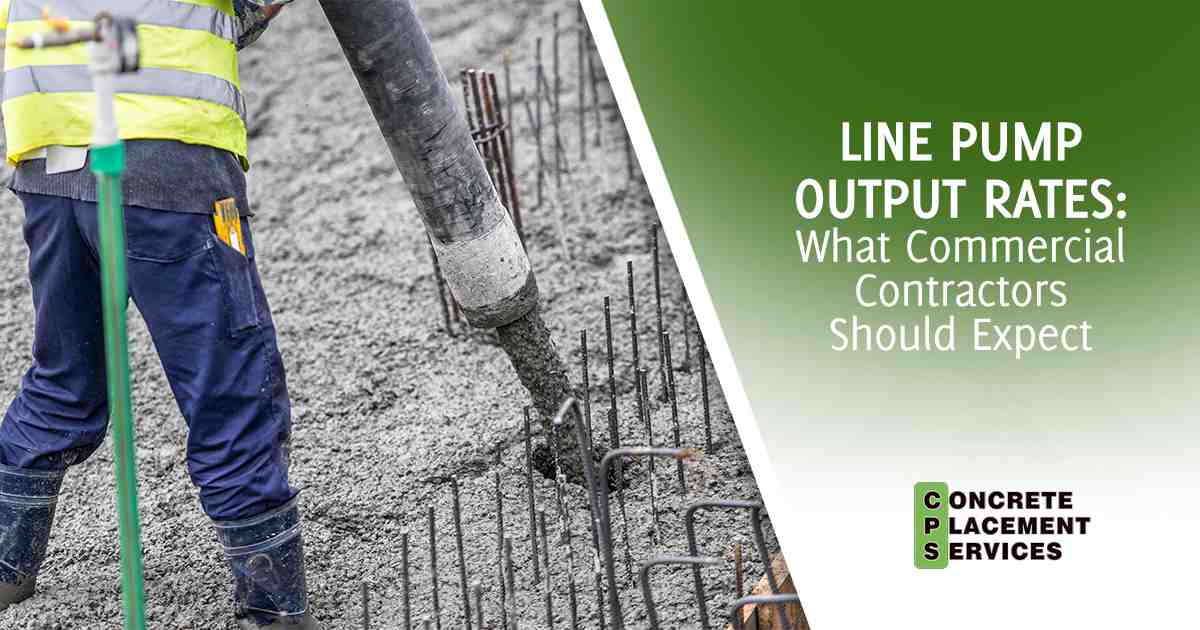
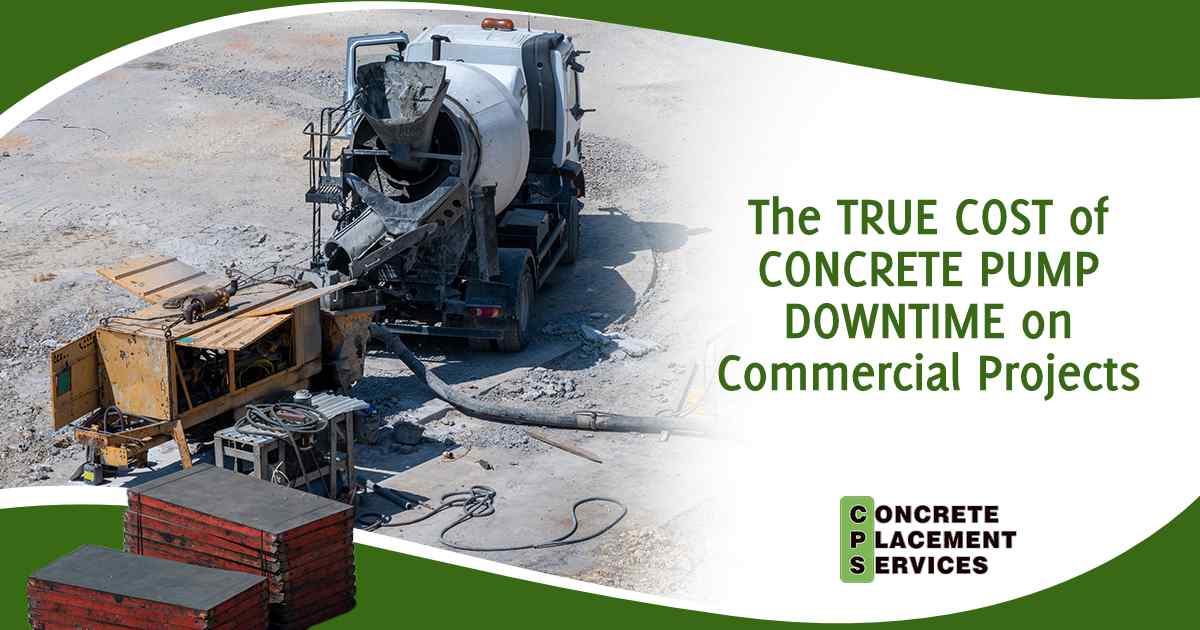
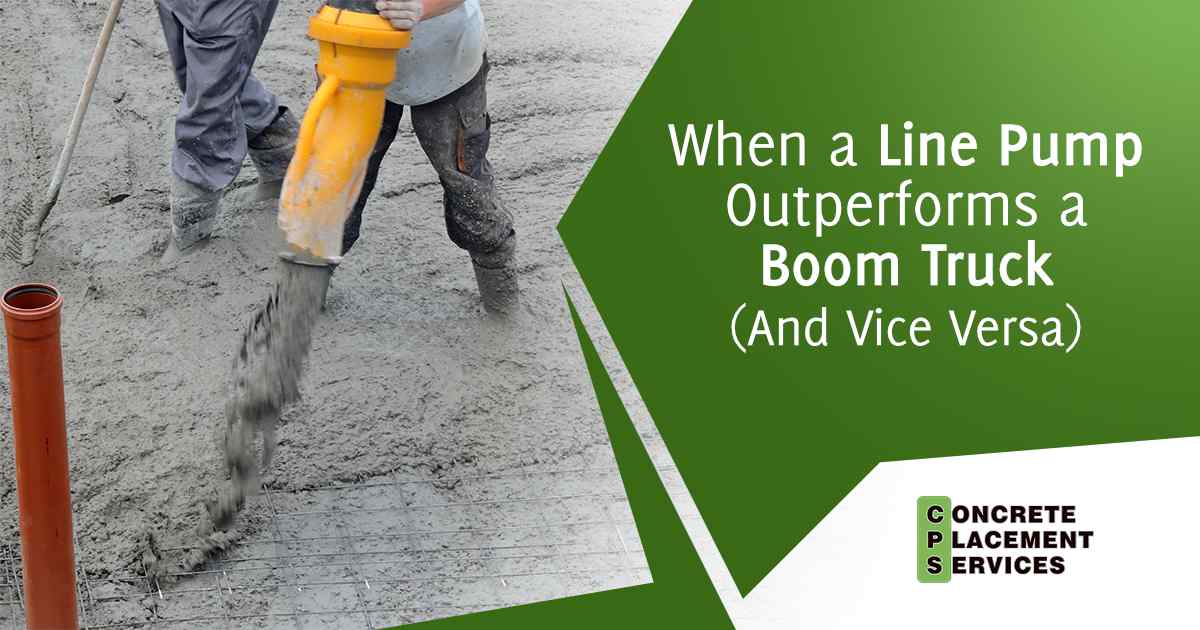
A concrete line pump uses a network of hoses or steel pipelines to transport concrete from the pump to the placement location. Unlike a boom truck, the line must be manually routed along the ground or through a structure to reach the desired pour area. This setup provides flexibility for projects where access is limited or where concrete must travel long horizontal distances.
A line pump is commonly used for residential foundations, sidewalks, patios, pool decks, and specialty construction projects. Many contractors also rely on a concrete line pump commercial setup for projects where precise placement is required or where boom truck access is restricted. Equipment such as the SP 500 line pump is valued for its versatility and ability to handle a wide range of concrete placement applications.
What Is a Boom Truck Concrete Pump?
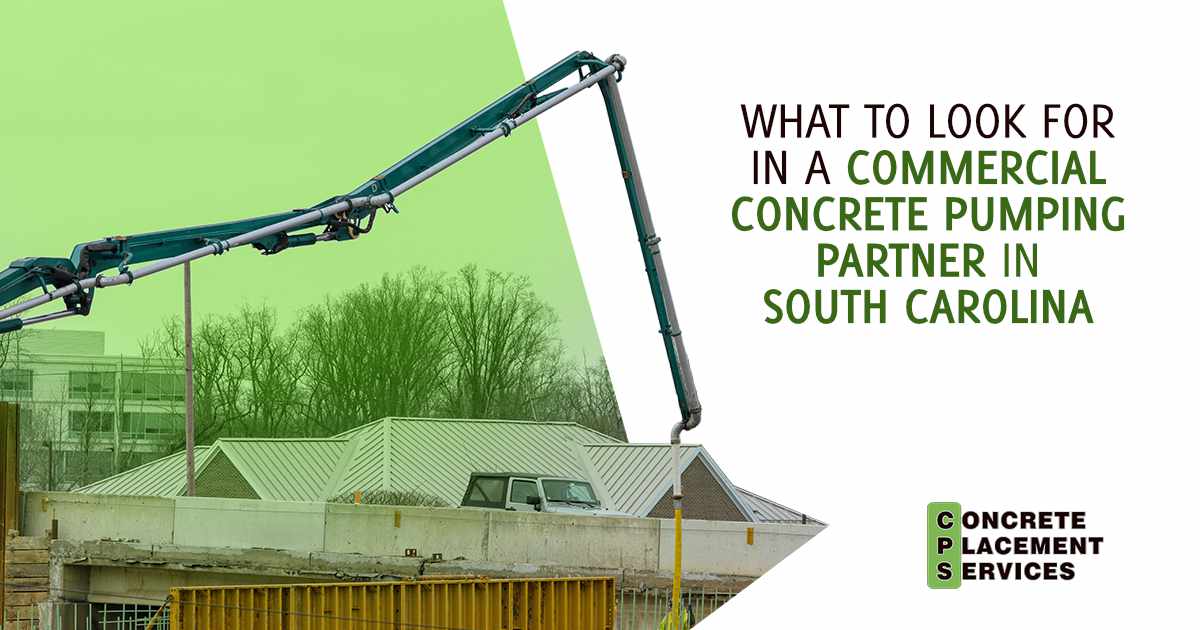
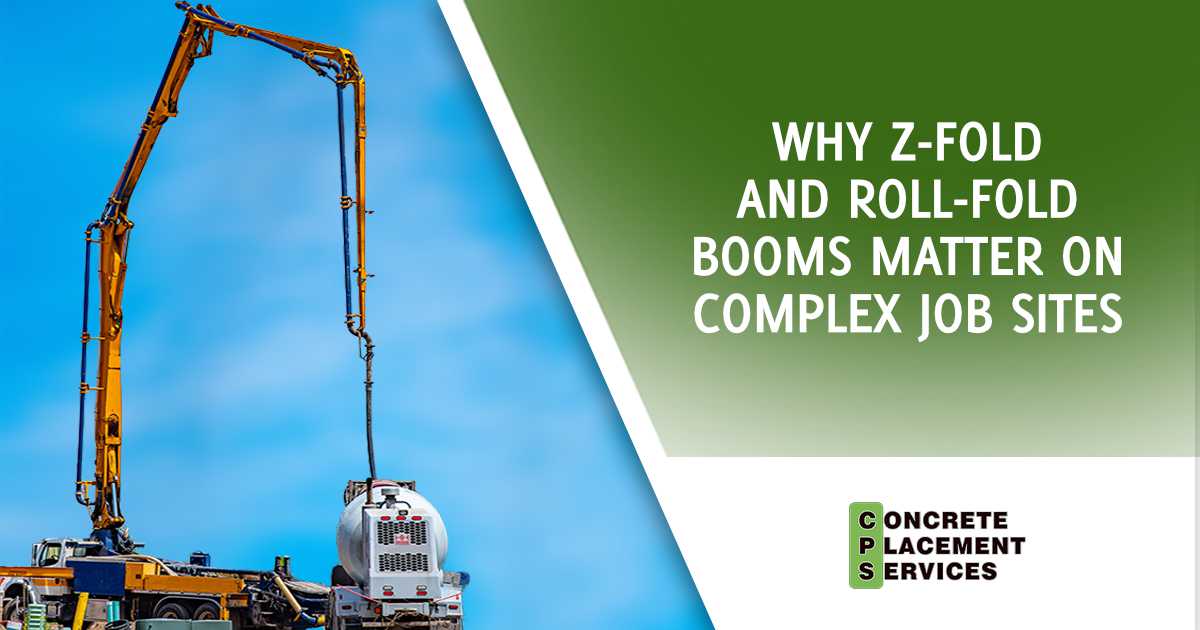
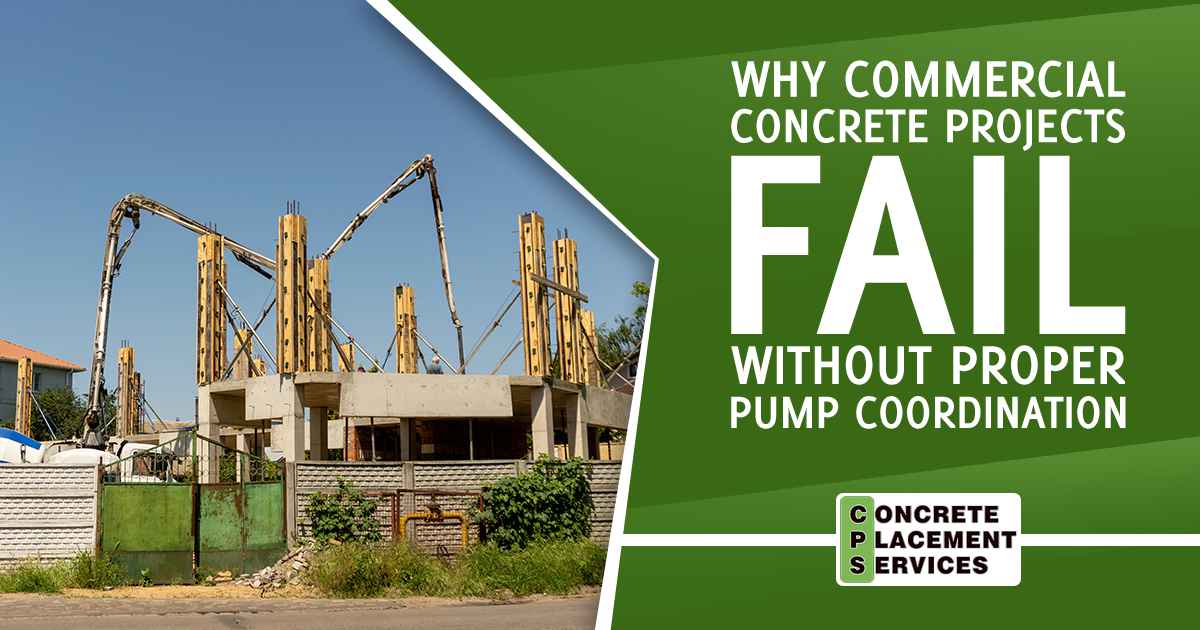
A boom truck combines a concrete pump with a hydraulic placing boom mounted directly on a truck chassis. The boom can extend upward, outward, and over obstacles, allowing crews to place concrete in areas that would otherwise be difficult to reach. Because the system is self-contained, setup is typically faster than routing extensive line pump hoses.
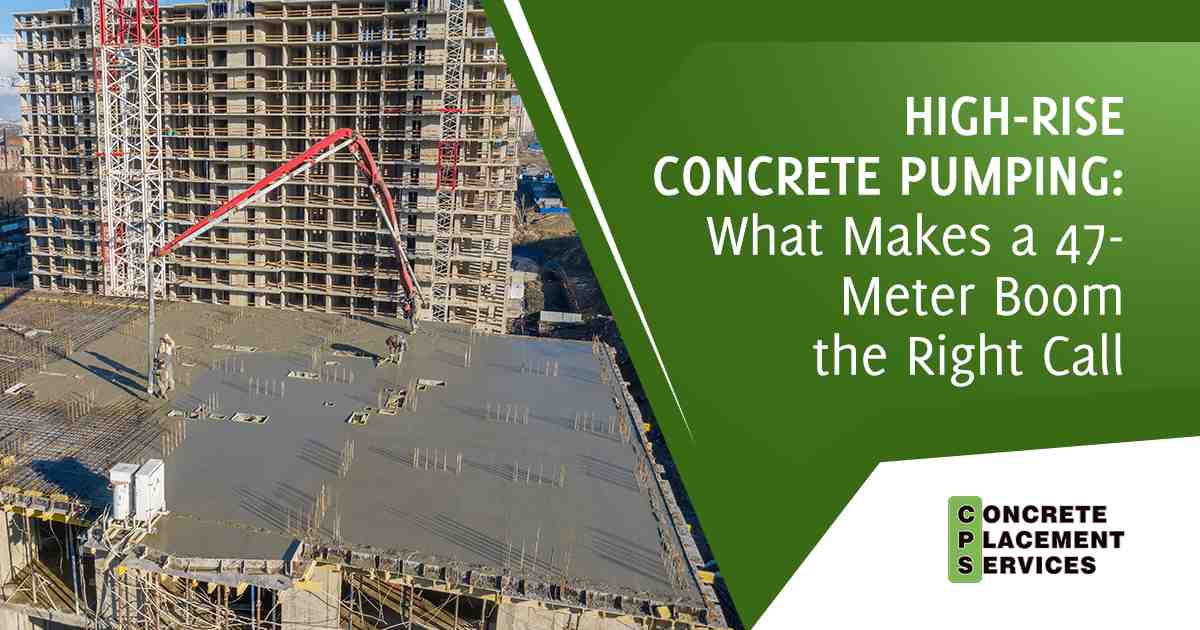
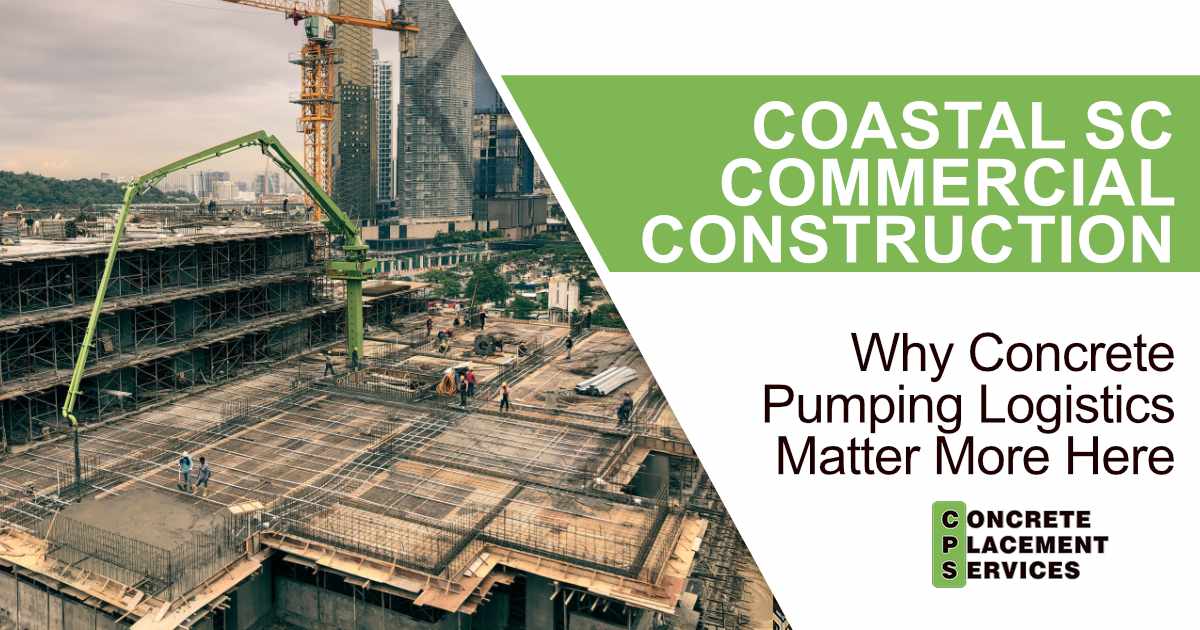
Boom trucks are often used on large commercial projects, elevated structural pours, parking structures, and multi-story buildings. Their ability to move large volumes of concrete quickly makes them a preferred option when production speed is a primary concern. For projects with open access and significant placement demands, a boom truck can provide a more efficient solution than a line pump.
Line Pump vs Boom Pump: Key Differences at a Glance
The primary difference in a line pump vs boom pump comparison is how the concrete is delivered to the placement area. A line pump relies on hoses and pipelines that can be configured to navigate around obstacles, through buildings, or across long horizontal distances. A boom truck uses an articulated boom to place concrete directly from above, reducing the need for extensive hose routing.
Output capacity is another important distinction. Boom trucks generally support higher placement rates, making them well suited for large-scale pours. Line pumps, on the other hand, often provide greater flexibility for smaller projects, confined jobsites, and specialty applications where access is limited. Understanding these differences is the first step in making an effective concrete pumping equipment selection.
When to Use a Line Pump for Concrete Placement
While boom trucks are often associated with large construction projects, there are many situations where a line pump is the more effective solution. Understanding when to use a line pump can help contractors improve efficiency, reduce setup challenges, and achieve better placement results. Project conditions such as site access, pour distance, and placement requirements often determine whether a line pump provides a greater advantage than a boom truck.
Projects With Limited Site Access
Restricted jobsites are one of the most common reasons contractors choose a line pump. Residential developments, urban construction sites, interior renovations, and projects with narrow access points can make it difficult or impossible to position a boom truck safely. In these situations, a line pump can route hoses around obstacles and deliver concrete directly to the placement area.
This flexibility allows crews to complete pours without requiring large staging areas for equipment setup. Instead of relying on overhead reach, the pumping line can be configured to navigate through gates, around structures, or into confined spaces. As a result, a line pump often becomes the most practical option when site accessibility is limited.
Long Horizontal Pour Distances
A line pump is also well-suited for projects that require concrete to travel significant horizontal distances. While boom trucks provide excellent vertical reach, some jobs require concrete placement hundreds of feet away from the pump location. Routing hose lines across a site can often be more efficient than repositioning a boom truck or using multiple setups.
Examples include large residential developments, warehouse floors, sidewalks, pathways, and projects where the pour location is separated from accessible equipment staging areas. The ability to extend pumping lines over long distances makes a line pump a valuable solution for projects with challenging layouts. This advantage is often overlooked in a standard concrete pump equipment comparison.
Indoor and Below-Grade Concrete Placement
Certain construction environments create challenges that a boom truck may not be able to overcome. Interior slabs, basement foundations, tunnels, crawl spaces, and below-grade structures frequently require concrete placement in areas where boom access is unavailable. In these cases, a line pump can move concrete through strategically placed hoses directly to the work area.
The ability to route pumping lines through doorways, corridors, and confined spaces gives contractors greater control over placement. This can improve productivity while minimizing disruption to surrounding structures. For enclosed projects, a line pump often provides a level of flexibility that cannot be matched by a boom truck.
Concrete Line Pump Commercial Applications
Many commercial projects benefit from the versatility of a concrete line pump commercial setup. Retail developments, tenant improvements, warehouse expansions, and industrial facilities often present access limitations that make line pumps a practical choice. Contractors can use pumping lines to navigate around existing structures, equipment, and ongoing operations without sacrificing placement accuracy.
Commercial projects frequently involve unique site conditions that require customized concrete pumping equipment selection. A line pump allows contractors to adapt to these challenges while maintaining steady concrete flow and precise placement. This makes it a valuable tool for both new construction and renovation work.
Why the SP 500 Line Pump Excels on Specialized Projects
The SP 500 line pump is widely used for projects that require flexibility and reliable performance. Its design allows contractors to pump concrete efficiently across varying distances while maintaining consistent output. This makes it suitable for a wide range of residential, commercial, and specialty construction applications.
Specialized projects often involve obstacles, restricted access, or placement requirements that demand greater adaptability than a boom truck can provide. In these situations, the SP 500 line pump offers a practical solution that supports efficient concrete delivery without compromising placement quality. For contractors facing challenging job site conditions, it remains one of the most dependable options available.
When a Boom Truck Is the Better Choice
Although a line pump offers flexibility in many situations, there are projects where a boom truck provides clear advantages. Large pours, elevated placements, and projects with demanding production schedules often benefit from the speed and reach that a boom truck can provide. Understanding when a boom truck is the better choice helps contractors make informed decisions during the concrete pumping equipment selection process.
High-Volume Concrete Pours
Projects that require large amounts of concrete in a short period often benefit from the capabilities of a boom truck. The equipment is designed to deliver high volumes of concrete efficiently, helping crews maintain productivity during major pours. This can reduce placement time and minimize interruptions that could affect concrete quality.
Large foundations, industrial slabs, and extensive paving projects frequently require continuous concrete placement to meet production goals. In these situations, a boom truck can often outperform a line pump by providing faster delivery rates. When output volume is a primary consideration in a line pump vs boom truck comparison, a boom truck may be the preferred solution.
Multi-Story Construction Projects
Vertical construction is one of the strongest applications for a boom truck. The hydraulic boom allows operators to place concrete at elevated locations without requiring extensive hose routing throughout the structure. This capability improves efficiency and simplifies concrete placement on upper levels.
Commercial buildings, parking garages, hotels, and apartment complexes often require concrete placement at significant heights. A boom truck can reach areas that would otherwise require substantial labor and setup time with a line pump. For projects involving multiple floors, the equipment's vertical reach becomes a major advantage.
Jobs Requiring Fast Placement Rates
Project schedules can have a direct impact on equipment selection. When contractors need to place concrete quickly to meet deadlines, a boom truck often provides the production capacity necessary to keep the project moving forward. Faster placement can also reduce labor costs and improve overall jobsite efficiency.
This is particularly important for large commercial projects where multiple trades depend on concrete work being completed on schedule. By delivering concrete directly to the placement area with minimal setup adjustments, a boom truck can help crews maintain momentum throughout the pour. In many cases, speed becomes the deciding factor in a line pump vs boom pump evaluation.
Large Commercial and Industrial Concrete Projects
Many large-scale commercial and industrial projects are designed with sufficient space for boom truck operation. Open jobsites provide the room necessary for setup while allowing the boom to reach large placement areas efficiently. This combination of accessibility and production capability makes boom trucks a common choice for major construction projects.
Warehouses, manufacturing facilities, distribution centers, and large retail developments often require substantial concrete volumes across broad areas. In these environments, a boom truck can help reduce placement time while maintaining consistent concrete flow. For a commercial concrete contractor managing complex projects, selecting a boom truck may provide the efficiency needed to meet demanding schedules and project requirements.
Line Pump vs Boom Truck: Comparing Critical Project Factors
Selecting the right equipment requires more than a simple comparison of features. Contractors must evaluate the specific conditions of each project to determine whether a line pump or boom truck will provide the best results. Factors such as output volume, reach requirements, site access, and concrete mix characteristics all influence the decision-making process.
Output Volume Requirements
One of the first considerations in a line pump vs boom truck comparison is the amount of concrete that must be placed. Projects involving large slab pours, commercial foundations, or industrial construction often require high production rates to maintain efficiency and meet schedule demands. In these situations, a boom truck may provide the capacity needed to support continuous concrete placement.
Smaller pours and specialty projects do not always require maximum output. Residential foundations, sidewalks, pool decks, and repair work can often be completed efficiently with a line pump. Matching the pump's production capability to the project's actual needs helps avoid unnecessary equipment costs while maintaining productivity.
Pour Distance and Reach
Distance is another important factor in concrete pumping equipment selection. A boom truck provides significant vertical and overhead reach, making it well suited for elevated placements and large open jobsites. This allows operators to position concrete quickly across wide areas without extensive hose setup.
A line pump, however, often performs better when concrete must travel long horizontal distances or navigate around obstacles. Pumping lines can be extended and routed through complex site layouts where a boom truck may have limited access. Evaluating the required reach before scheduling equipment helps ensure efficient concrete placement and minimizes delays during the pour.
Site Access and Equipment Setup Space
Jobsite accessibility frequently determines which type of pump is most practical. Boom trucks require adequate space for positioning, stabilizer deployment, and safe boom operation. While this is not a concern on many large commercial sites, it can become a challenge in confined or heavily developed areas.
Line pumps offer greater flexibility in restricted environments because the equipment can remain in an accessible location while hoses are routed to the placement area. This advantage makes line pumps particularly effective for residential construction, renovation projects, and sites with physical access limitations. Understanding site constraints is essential when comparing a line pump vs. a boom pump for a specific project.
Concrete Mix Design Considerations
Concrete mix characteristics can also influence equipment selection. Different mixes vary in aggregate size, slump, and pumping requirements, all of which affect how efficiently the material moves through the pumping system. Contractors should consider these factors when planning concrete placement operations.
Certain specialty mixes may perform better with a line pump configuration, while high-volume structural pours may align more closely with the capabilities of a boom truck. Working with an experienced pumping provider helps ensure the selected equipment is compatible with the concrete being used. This reduces the risk of placement issues and helps maintain consistent performance throughout the project.
Labor Requirements and Jobsite Efficiency
Labor availability and productivity goals often play a role in choosing the right pumping equipment. A boom truck can reduce manual hose handling by positioning concrete directly where it is needed. This can improve efficiency on large projects and help crews maintain faster placement rates.
A line pump may require additional hose management, but it can provide advantages in areas where precise placement and flexibility are more important than maximum production speed. Evaluating labor demands alongside project conditions allows contractors to make a more informed concrete pump equipment comparison. The best choice is often the one that balances efficiency, accessibility, and overall project requirements.
Concrete Pump Equipment Comparison by Project Type
Every construction project has unique requirements that influence equipment selection. While a line pump and a boom truck both serve the same general purpose, their performance can vary significantly depending on the project's size, layout, and placement demands. Understanding which equipment is best suited for specific applications helps contractors improve efficiency and achieve better results.
Residential Foundations and Flatwork
Residential projects often present conditions where a line pump provides significant advantages. Foundations, driveways, sidewalks, patios, pool decks, and retaining walls typically require precise concrete placement in areas with limited access. A line pump can route hoses directly to the pour location without requiring extensive space for equipment setup.
Many residential neighborhoods have obstacles such as fences, landscaping, utility lines, and narrow driveways that can restrict boom truck access. In these situations, a line pump offers the flexibility needed to complete the work efficiently. Contractors frequently choose this option when evaluating when to use a line pump for smaller-scale concrete placement projects.
Commercial Building Construction
Commercial construction projects can benefit from either a line pump or a boom truck, depending on the building design and site conditions. Ground-level slabs, tenant improvements, and renovation projects may favor a line pump when access is restricted or when concrete must travel through existing structures. The ability to customize hose routing allows crews to place concrete accurately in challenging environments.
For larger building developments with open access and elevated placements, a boom truck may provide greater efficiency. The hydraulic boom allows concrete to be delivered directly to upper levels or hard-to-reach areas without extensive hose management. A thorough concrete pump equipment comparison helps contractors determine which option best supports project goals.
Parking Lots and Large Slab Pours
Large slab placements often require substantial concrete volumes and consistent production rates. Parking lots, warehouse floors, distribution centers, and industrial facilities typically involve broad placement areas where productivity is a primary concern. In these situations, a boom truck can help maintain a continuous flow of concrete and reduce overall placement time.
The equipment's reach and output capabilities allow contractors to cover large sections of the project without frequent repositioning. This can improve efficiency and support demanding construction schedules. For high-volume slab work, a boom truck is often the preferred choice in a line pump vs boom truck evaluation.
Structural Concrete and Elevated Decks
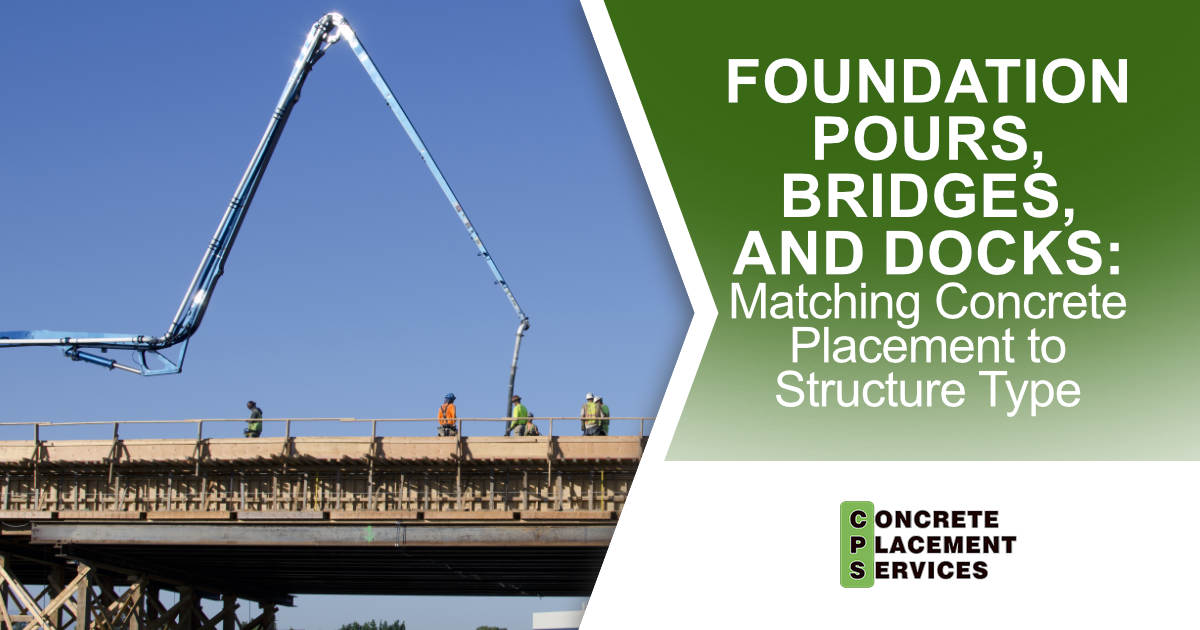
Structural concrete projects frequently involve elevated placements that require significant vertical reach. Multi-story buildings, parking structures, bridge components, and elevated decks often benefit from the capabilities of a boom truck. The ability to position concrete directly at height reduces labor requirements and improves placement efficiency.
While a line pump can be used in some structural applications, extensive hose routing may increase setup time and labor demands. A boom truck's reach often provides a more practical solution for projects where concrete must be placed at multiple elevations. This makes it a common choice for large structural construction projects.
Specialty and Hard-to-Reach Placement Projects
Some projects involve conditions that do not fit traditional construction scenarios. Interior pours, below-grade structures, tunnels, remote placement locations, and sites with significant access restrictions often require a more adaptable approach. In these cases, a line pump frequently becomes the preferred solution.
Equipment such as the SP 500 line pump allows contractors to navigate complex layouts and deliver concrete to locations that may be inaccessible to a boom truck. This flexibility makes line pumps valuable for specialty applications where precision and access are more important than maximum production rates. For contractors facing unique project challenges, choosing the right equipment can have a significant impact on efficiency and placement quality.
Common Mistakes When Choosing Concrete Pumping Equipment
Selecting the wrong pump can create unnecessary challenges during a concrete placement project. Delays, increased labor costs, and reduced efficiency often result from equipment choices that do not align with actual project requirements. Understanding common mistakes can help contractors make better decisions and avoid preventable issues.
Selecting Equipment Based Only on Cost
Cost is an important consideration, but it should not be the only factor influencing concrete pumping equipment selection. Choosing the least expensive option without evaluating project requirements can lead to reduced productivity, longer placement times, and higher labor expenses. What appears to be a cost-saving decision initially may increase overall project costs.
Contractors should consider equipment performance, site conditions, and production requirements alongside pricing. Evaluating total project efficiency often provides a more accurate picture of value than comparing equipment costs alone. A comprehensive line pump vs boom pump analysis should always include operational considerations in addition to budget.
Overlooking Site Accessibility Challenges
Access limitations can significantly affect the success of a concrete placement operation. Contractors sometimes schedule equipment without fully assessing available setup space, overhead obstructions, or physical barriers that may impact pump operation. These issues can create delays and require last-minute adjustments on the day of the pour.
Conducting a site evaluation before selecting equipment helps identify potential challenges early in the planning process. Understanding how equipment will access and operate within the jobsite environment allows contractors to choose the most practical solution. This step is particularly important when comparing a line pump vs boom truck for projects with restricted access.
Failing to Consider Concrete Mix Characteristics
Concrete mix design plays an important role in pumping performance. Aggregate size, slump, and other mix properties can affect how efficiently concrete moves through hoses and pumping systems. Failing to account for these characteristics can result in pumping difficulties and reduced productivity.
Working with experienced pumping professionals helps ensure equipment and mix specifications are compatible. Proper planning reduces the likelihood of interruptions during concrete placement and supports consistent project performance. Contractors should always include mix requirements in the equipment selection process.
Choosing More Reach Than the Project Requires
Some contractors assume that larger equipment automatically provides better results. While a boom truck offers impressive reach capabilities, that level of performance may not be necessary for every project. Selecting equipment with significantly more capacity than required can increase costs without delivering meaningful operational benefits.
The most effective concrete pumping equipment selection is based on project needs rather than equipment size alone. Evaluating factors such as placement distance, output requirements, and site accessibility helps determine the most efficient solution. In many cases, a properly selected line pump can achieve the desired results while providing greater flexibility and cost efficiency.
How Contractors Can Make the Right Concrete Pumping Equipment Selection
Choosing between a line pump and a boom truck requires a careful evaluation of project requirements rather than relying on assumptions or past preferences. Every jobsite presents unique conditions that can affect productivity, placement quality, and overall efficiency. By reviewing key project factors before scheduling equipment, contractors can select the solution that best supports project goals.
Questions to Ask Before Scheduling a Pump
Before choosing pumping equipment, contractors should evaluate several important factors. Questions about placement distance, concrete volume, site accessibility, and elevation requirements can help identify the most appropriate solution. Understanding these details early in the planning process reduces the likelihood of delays and unexpected challenges during the pour.
Project teams should also consider available setup space, concrete mix specifications, and production goals. A thorough assessment provides valuable information when comparing a line pump vs boom truck for a specific application. Taking the time to review project requirements helps ensure equipment capabilities align with actual jobsite demands.
Working With an Experienced Commercial Concrete Contractor
Experienced contractors understand that successful concrete placement depends on more than equipment availability. They evaluate project conditions, coordinate logistics, and consider how pumping operations will affect overall construction schedules. This level of planning helps reduce risk and improve efficiency throughout the project.
A knowledgeable commercial concrete contractor can also identify potential challenges before work begins. By reviewing site conditions and placement requirements, contractors can recommend equipment that supports both performance and cost-effectiveness. Their expertise helps ensure that concrete pumping equipment selection is based on project needs rather than convenience.
Why Equipment Recommendations Should Be Based on Project Conditions
No single type of concrete pump is the right choice for every project. A line pump may provide the flexibility needed for one job, while a boom truck may offer greater efficiency for another. The most effective equipment selection process focuses on the specific conditions that influence placement performance.
Factors such as access limitations, required reach, concrete volume, and jobsite layout should guide equipment recommendations. This approach helps contractors avoid unnecessary costs while maximizing productivity. Evaluating project conditions objectively leads to better outcomes than defaulting to the same equipment for every concrete placement project.
How Concrete Placement Services Helps Clients Choose Between a Line Pump and Boom Truck
Concrete Placement Services understands that every project has different requirements. Rather than recommending a single solution for all jobs, the company evaluates the factors that influence pumping performance and project efficiency. This approach helps clients select equipment that aligns with their specific construction goals.
Evaluating Site Conditions and Project Requirements
The first step in effective equipment selection is understanding the project's unique challenges. Concrete Placement Services reviews access limitations, placement distances, elevation requirements, and production goals before recommending a pumping solution. This process helps ensure equipment is matched to the conditions present at the jobsite.
By conducting a thorough evaluation, the team can identify potential obstacles that may affect concrete placement. Addressing these considerations before work begins helps improve efficiency and reduce the risk of delays. Careful planning supports smoother operations throughout the project.
Matching Equipment to Placement Goals
Different projects require different approaches to concrete pumping. Some jobs benefit from the flexibility of a line pump, while others require the reach and production capacity of a boom truck. Concrete Placement Services focuses on selecting equipment based on what will deliver the best results for the specific application.
This project-focused approach helps contractors avoid overestimating or underestimating equipment requirements. Whether the project involves a residential foundation, a commercial building, or a specialty placement application, the goal is to provide the most efficient and practical solution available.
Supporting Residential, Commercial, and Specialty Concrete Projects
Concrete Placement Services provides pumping solutions for a wide range of construction projects. The company's experience includes residential work, commercial developments, industrial facilities, and specialty applications that require customized placement strategies. This broad experience allows the team to recommend equipment based on proven project performance rather than assumptions.
From concrete line pump commercial projects to large-scale boom truck operations, Concrete Placement Services helps clients navigate the equipment selection process with confidence. By focusing on project conditions, production goals, and site requirements, the company helps ensure every concrete placement operation is positioned for success.
Need Help Choosing Between a Line Pump and a Boom Truck?
Concrete Placement Services can help determine the most effective pumping solution for any project. The team evaluates site access, pour distance, concrete volume, and placement requirements to recommend equipment that supports efficiency and productivity. Contact Concrete Placement Services today to discuss your project and receive expert guidance on selecting the right concrete pumping equipment.